

Minimalist and textured
Few colors, but plenty of relief, variations in fibers, or a tone-on-tone design. Ideal when the furniture already has plenty of character.


A modern rug is not just a "trendy" rug. Its effectiveness comes primarily from its proportions, color palette, design, and how it interacts with the architecture and furniture. A contemporary model can be understated, textured, geometric, organic, or colorful: the best choice is one that updates the room without becoming difficult to style a few months later.
The word "modern" covers many aesthetics. Some rugs use clean geometric blocks, others use organic shapes, irregular lines, textural effects, or patterns inspired by vintage styles but treated with a more current palette. Therefore, there is no single recipe.
What generally makes a modern rug compelling is the coherence between four elements: pattern scale, palette, shape, and relationship with furniture. A large abstract motif can seem very contemporary in an understated room, whereas the same design, reduced and repeated, will produce a more cluttered result. Conversely, a solid-colored rug can look very modern thanks to intricate texture and an unexpected shape.
Few colors, but plenty of relief, variations in fibers, or a tone-on-tone design. Ideal when the furniture already has plenty of character.
Contrasts, lines, geometric shapes, or color blocks. Use as a focal point rather than just a background.
Free-form shapes and less rigid contours. Interesting for softening rectilinear architecture or highly structured furniture.
Patterns inspired by antique rugs, but with a muted palette, different framing, or contemporary construction.
For a search even more focused on graphic expression and statement pieces, compare with the designer rug collection. Here, the goal remains broader: finding a contemporary rug that is truly easy to integrate.
A contemporary interior often relies on clear volumes. A rug that is too small can break this continuity by creating a small island in the middle of a large space. In a living room, look at the width of the sofa, coffee table, and armchairs; in a bedroom, look at the bed and traffic areas; under a table, anticipate the space for chairs to be pulled out.
Do not choose a size just because it is common. Measure the actual footprint of the furniture and mark out the rug on the floor. This method allows you to see if a 160 × 230 cm, 200 × 300 cm, or a different size is truly suitable, without turning these dimensions into universal rules.
For a large living area, the large living room rug collection may be more appropriate than a small modern model chosen simply for its pattern.

The rectangular rug remains very versatile: it easily follows a sofa, bed, or table and offers a large useful surface. But a modern interior does not need to repeat every straight line in the room.
A round rug can break the rigidity of a rectangular living room, complement a round table, or create a reading nook. Organic or asymmetrical shapes are even more expressive: they work well in a simple room, but their footprint must be studied precisely because their widest points do not always correspond to a classic length × width measurement.
The contrast between shapes can be interesting. A round table on a rectangular rug or a sculptural armchair on a geometric rug can create more personality than a systematic repetition of the same outlines.
The priority remains the relationship with the seating. Also explore living room rugs if you are unsure about placement and size.
A highly graphic modern rug can overwhelm an already busy bedroom. Soft tones, textures, and low-contrast patterns are often easier to live with near the bed.
Choose a surface compatible with chair movement and a size large enough that the rug remains visible around the table.
The style must remain compatible with foot traffic, shoes, and doors. A beautiful composition should not complicate daily use.
Check the chair's movement. Very thick or highly irregular surfaces can be less practical for caster wheels.
The rug can define the function of the living area or reading nook without using partitions. Use it as a visual zone, not as an isolated decorative border.
There is no mandatory modern palette. Warm neutrals, browns, muted greens, deep blues, terracotta, black, and white can all work in a contemporary interior. What matters more is how the color is distributed.
A low-contrast rug blends more easily into the room. A model with two or three distinct blocks becomes a statement piece. The beige rug, gray rug, or white rug collections are suitable for a soft base; green rugs, blue rugs, and red rugs allow for a more pronounced presence.
Black can be used as an accent rather than a dominant surface. A black and white rug creates an immediate contrast, whereas a cream model with a few dark lines retains more softness.
First look at the number of patterns already present: cushions, curtains, paintings, sofa, wallpaper, heavily veined wood, or stone. The richer the environment, the more a rug might benefit from being calm. Conversely, in a living room with plain walls and understated furniture, a graphic rug can act as a horizontal work of art.
The most useful rule is not "only one pattern per room," but rather to define which element should be seen first. If the rug is the statement piece, the other textiles can support its palette without trying to compete with it.

A contemporary look does not depend on a specific fiber. A synthetic, wool, cotton, or plant fiber rug can have a modern aesthetic. Construction and usage are more important than the stylistic label.
For a fuller feel, look at shaggy rugs. For a very flat and graphic surface, vinyl rugs follow a different logic. Models indicated as machine washable can ease certain family constraints, provided you respect the machine's capacity and the label.
Do not deduce performance solely from the material: polyester does not automatically mean stain-resistant, cotton does not automatically mean washable, and jute does not automatically mean eco-friendly. Check each product page.
The rug can create continuity or contrast. With a sofa with very curved shapes, a geometric rug provides structure. With an angular coffee table, an organic pattern can soften the whole. With a lot of wood present, a mineral, green, or cream palette often creates a natural transition.
Avoid seeking an exact match between all shades. A contemporary room often benefits from having variations: warm beige, deeper brown, black in small touches, green or blue as an accent. The rug can contain two of these colors and create a link between several pieces of furniture.
In a living room, start with the large volumes: floor, sofa, rug. Small decorative objects can then pick up certain shades. This method is simpler than choosing cushions first and then trying to find a rug that matches them perfectly.
The best way is not to avoid all trends, but to distinguish between the durable structure and the more expressive touch. A correct size, a suitable material, and a palette coherent with the furniture remain relevant for much longer than an isolated decorative detail.
A modern rug can therefore be bold without being visually disposable. Choose a design you genuinely love and that connects to at least one durable element in the room: wood, the sofa's color, architecture, or artwork.
In a home with children or pets, do not sacrifice usage for aesthetics. Check the thickness, fringes, relief, ease of vacuuming, and cleaning instructions. A highly sculpted modern rug may look stunning but be less suitable for a robot vacuum or an area where wheeled toys circulate.
In high-traffic areas, also check stability. If an underlay is necessary, choose it according to the flooring. Latex or rubber backings are not automatically suitable for all floors.
If you like to change your decor often, a neutral and textured rug can provide a more flexible base. If the rest of the furniture is very timeless, a more graphic rug is instead an effective way to provide a strong identity without replacing large furniture.
Warm neutrals are easy to integrate, but green, blue, terracotta, black, or bolder colors can work. Choose based on your sofa, floor, and light.
Yes. A Persian-inspired pattern can create an interesting contrast with contemporary furniture. Check the origin and manufacturing on the product page.
The modern collection broadly covers contemporary aesthetics. The designer collection places more emphasis on shapes and patterns used as strong decorative elements.
Yes. Focus on a size coherent with the bed and a level of contrast adapted to the desired atmosphere.
Not by definition. Ease of maintenance depends on the material, construction, pile height, and the model's instructions.
Yes. A round or organic shape is an excellent way to introduce curves into a very rectilinear contemporary interior.
Compare designer rugs, round rugs, checkered rugs, and living room rugs. To start from usage rather than style, return to the general rugs collection.
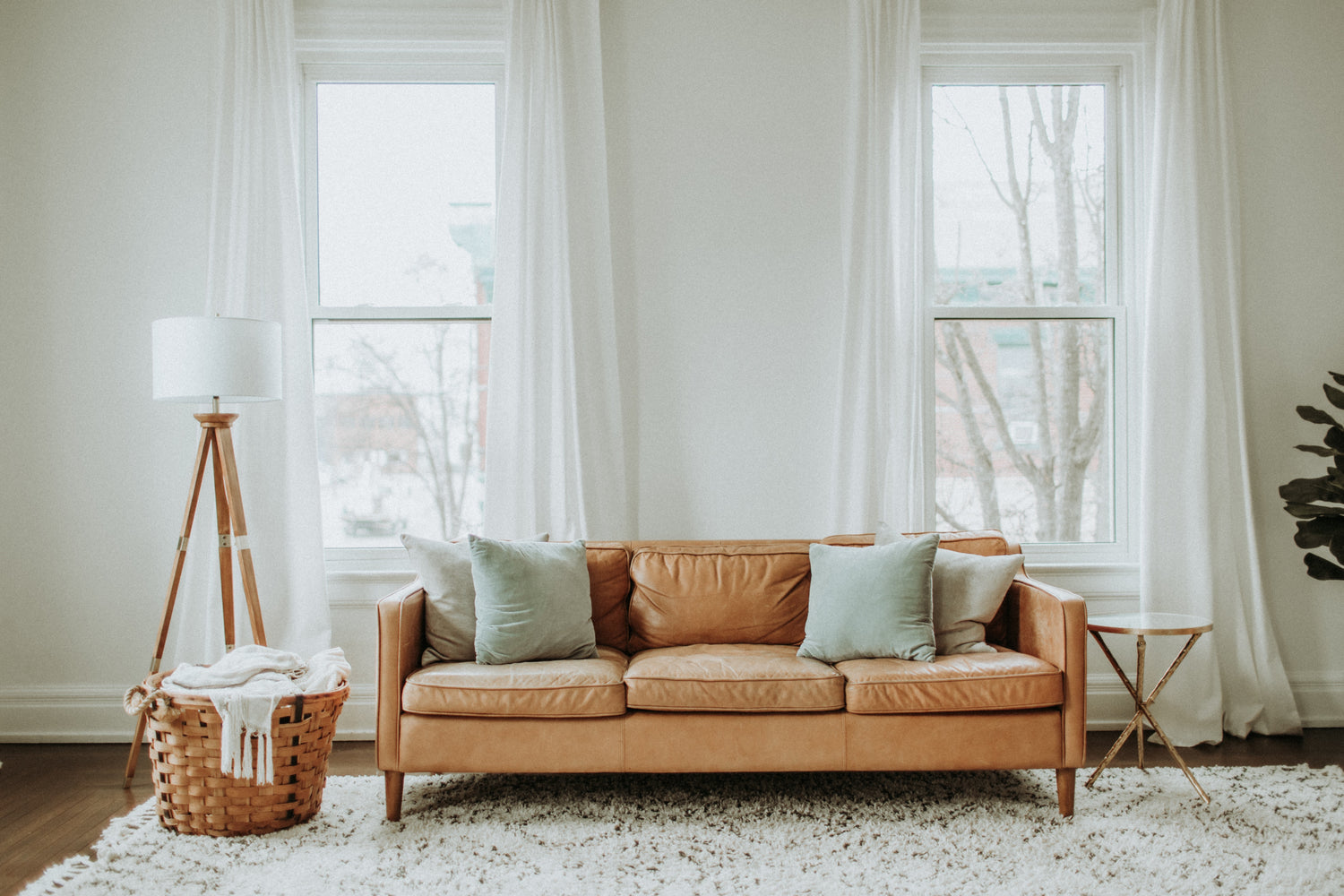
A rug not only transforms your space by adding a touch of elegance and style, but it also provides a feeling of warmth and comfort with every step.

Quelle taille de tapis sous une table à manger ? Découvrez la règle des 60 cm, les bons formats selon les places et les erreurs à éviter.

Add character to a rented living room with a rug. Colors, zones, budgets, and reversible tips without making any permanent changes.

A long living room looks more balanced with the right rug. Sizes, placement and dimensions: avoid the hallway effect in your home.

Navy, duck egg, or light blue sofa: discover which rug color, size, and style to choose to create a balanced and elegant living room.