

Short pile velvet
It renders deep greens well while remaining easier to vacuum than a very long pile. Often suitable for the living room and bedroom.


A green rug can be subtle, natural, deep, or very graphic, depending on its shade. Sage, olive, khaki, emerald, forest, or grey-green do not produce the same result once spread over several square meters. The right green rug depends on the floor, the sofa, the light, the rug’s size, and the other colors already present in your home.
Green covers a very wide range. Sage green usually contains a lot of grey and therefore remains relatively subtle. Olive green is closer to earth tones and works well with beiges, browns, and certain woods. Forest green is darker and creates a large mass of color on the floor. Emerald is often more saturated and easily becomes the room's focal point.
Between these families exist many khaki, moss, bottle, celadon, or mint greens. Commercial names are not standardized: two "sage" rugs can therefore be quite different. Look at the photos of the green rug, its composition, and, when several images are available, the color from different angles.
| Shade | General rendering | Easy pairings | Points to watch |
|---|---|---|---|
| Sage / grey-green | Soft and low saturation. | Ecru, beige, warm grey, light wood. | Can look almost grey depending on the light. |
| Olive / khaki | Earthy and warm. | Terracotta, sand, walnut, black. | Yellow or brown undertones vary greatly. |
| Forest / fir | Deep and structuring. | Cream, oak, brass, blue-grey. | In large sizes, the dark surface becomes dominant. |
| Emerald | Saturated and expressive. | Ivory, walnut, black, metal. | To be balanced if the room already has many strong colors. |
Green rug and beige form an easy combination because beige provides a neutral, warm base. A beige sofa on an olive, sage, or forest green rug allows the green to stand out without the room being entirely colored. To compare a more neutral base, explore the beige rug collection.
Green rug and off-white provide a brighter contrast than green and beige. A slightly warm white is often softer than a pure white. Green rug and grey create a more mineral interior; in this case, a green distinct enough from the grey prevents the two surfaces from blending together. Grey rugs are an alternative if you prefer the color to be carried by the furniture rather than the floor.
Green rug and wood work with many varieties. Light oak easily complements sage and olive. Walnut or dark woods support a forest or emerald green, provided that some lighter surfaces are kept. With black, a green rug takes on a more graphic feel; with terracotta or muted pink, it creates a more pronounced colorful contrast.
You don't need to repeat the green everywhere. One or two small touches in a cushion, a poster, a vase, or a throw are enough to connect the green rug to the rest of the room. If several large surfaces are already green, choose instead a slightly different rug or a pattern that introduces a transitional color.
In a neutral living room, a green rug can become the room's main color. With a beige or ecru sofa, an olive or forest green creates a legible contrast. With a grey sofa, a very greyish sage can be subtle, while a more saturated green rug will stand out more. With a green sofa, avoid looking for the exact same shade: a difference in depth, pattern, or texture generally makes the whole look more interesting.
Dimensions remain more important than color. A green rug that is too small looks isolated, especially if it is dark. To build a real living room zone, have at least the front feet of the main seating pieces sit on the rug when the layout allows. Find the full principles in living room rugs and, for large formats, in large living room rugs.
The pattern can significantly change the presence of a green rug. A textured solid color creates a large, calm mass. An abstract design mixing green, beige, or grey makes it easier to reference the color. A geometric pattern adds more rhythm. If you are looking for the latter effect, compare designer rugs and modern rugs.
The bedroom allows you to use a green rug in a softer way. Sage, moss, or light khaki easily accompany ecru, white, beige, or terracotta bedding. A forest green rug, conversely, creates a much denser base and works particularly well if the walls and bedding remain light.
Texture influences the result as much as the hue. For a plush feel, a green shaggy rug can create more depth. If you prefer easy vacuuming, choose a shorter pile. For positioning around the bed, our bedroom rugs expand the options for large formats, bedside runners, and rugs placed at the foot of the bed.
A round green rug can also create a reading corner or a space in front of a vanity. Check out round rugs if you wish to soften a very straight-edged room. The idea is to choose one clear function for the rug rather than placing it just where there happens to be space.
The color provides no reliable information regarding maintenance. A green rug can be wool, polyester, polypropylene, cotton, viscose, jute, or a blend. Each construction has its own feel and care instructions. Density, pile height, weave type, and backing also matter.
It renders deep greens well while remaining easier to vacuum than a very long pile. Often suitable for the living room and bedroom.
The texture creates hue variations depending on the direction of the pile. Plusher, but more crumbs and hair can get trapped inside.
Practical for an office, dining room, or high-traffic area. Patterns generally remain sharper.
Distinctive texture and natural aesthetic. Check the water sensitivity, dyes, and specific care for the model.
Do not assume a fiber is automatically eco-friendly, stain-resistant, or hypoallergenic. These properties require product-specific information. If complete washing is an important criterion, use the machine-washable rug filter instead and check the authorized cycle.
The darker or more saturated the shade, the more the green rug's surface area influences the room. A large forest green rug becomes a true architectural base; a small, bright green one behaves more like an accent. Therefore, choose the size based on the furniture before judging whether the color seems "too strong."
In the living room, measure the seating area. In the bedroom, start from the bed and the desired overhang. Under a table, take into account the space needed to pull back chairs. In a hallway, keep a margin of floor visible on each side and check door clearance. Outlining the format with masking tape allows you to immediately understand the impact of a large green rug.
If your room is small, don't automatically choose a miniature rug. A green rug consistent with the furniture can give a cleaner read of the area. Traffic, clearance under doors, and furniture position are more reliable criteria than a rule saying a light or dark color systematically "enlarges" or "shrinks" a space.
Greens can look greyer, yellower, or bluer depending on the lighting. A sage green rug under cool light can look very neutral; an olive one under a warm bulb can seem browner. Velvets also show variations depending on fiber orientation, as light is not reflected in the same way.
Observe the room in the morning, afternoon, and evening. If you are buying online, compare several photos rather than just one cut-out image. Screen rendering can also influence the green rug's hue, especially if the display settings are highly saturated.
In a dimly lit room, a deep green rug can create a very dense atmosphere; this may be exactly the effect you are looking for. In a very bright room, a dark shade retains more presence. There is no absolute rule: seek balance with the floor, the sofa, and the walls.
The color green provides no special properties against stains, hair, or claws. What matters is the green rug's construction. With a pet, a short pile or dense velvet may be easier to vacuum than a long shaggy rug. Some weaves may snag claws more easily than others, depending on the rug.
With children, prioritize a green rug compatible with your actual routine. If drinks and games on the floor are frequent, an explicitly washable model can make deep cleaning easier. Also check for stability: a rug that moves on tile or hardwood may require a compatible underlay.
A nuanced shade or a green-beige pattern can make certain small marks less visible between cleanings. This remains a visual advantage, not a guarantee of cleanliness.
On light hardwood, an olive, forest, or emerald green creates a natural contrast with the warmth of the wood. Sage provides a softer result. On dark wood, a forest green may lose a bit of legibility; in that case, choose a lighter pattern, a medium green, or a contrasting border.
On a grey or concrete floor, sage might blend in more if it is very greyish. An olive or a more saturated green makes the rug stand out better. On a beige floor, almost the entire green family works: the beige serves as a warm background and the green becomes the main color.
If the floor is heavily veined or very decorative, a relatively solid green rug can calm the composition. Conversely, a simple floor leaves more room for a botanical, abstract, or geometric pattern.
A "sage" or "olive" can vary greatly depending on the manufacturer and the light.
A difference in shade, texture, or pattern provides more depth.
A small dark mass can look isolated in a large living room.
If the rug is already the focal point, keep a clear hierarchy around it.
A well-matched but poorly proportioned green rug does not structure the room well.
A very greyish sage can almost disappear on a tile floor of the same value.
To choose a green rug easily, first validate the room, dimensions, material, and maintenance. Then choose the shade that creates the right level of contrast.
The method depends on the material. Avoid universal recipes based on vinegar, baking soda, or steam applied indiscriminately: they do not suit all fibers, dyes, and backings. Start with the green rug's label.
If part of the green rug gets significantly more sun or foot traffic, occasional rotation can help distribute wear when the shape and room layout allow it. Do not set an arbitrary frequency: adapt it to your home.
Sage offers a soft contrast, olive adds an earthy note, and forest creates a deeper base. All three can work depending on the light and the floor.
A green that is distinct enough from the grey is generally more legible. Olive, forest, or emerald contrast more than a very greyish sage.
Both are possible. Sage is more subtle; forest is more structuring. The green rug’s size and the amount of light surfaces around it matter more than just the size of the room.
Yes. Greyish, olive, or forest greens combine easily with white, beige, terracotta, grey, or muted pink bedding.
Off-white, beige, greige, and light grey are easy. Colored walls also work if the green rug and the wall do not compete in saturation and pattern.
Continue with living room rug, bedroom rug, modern rug, beige rug, or blue rug.
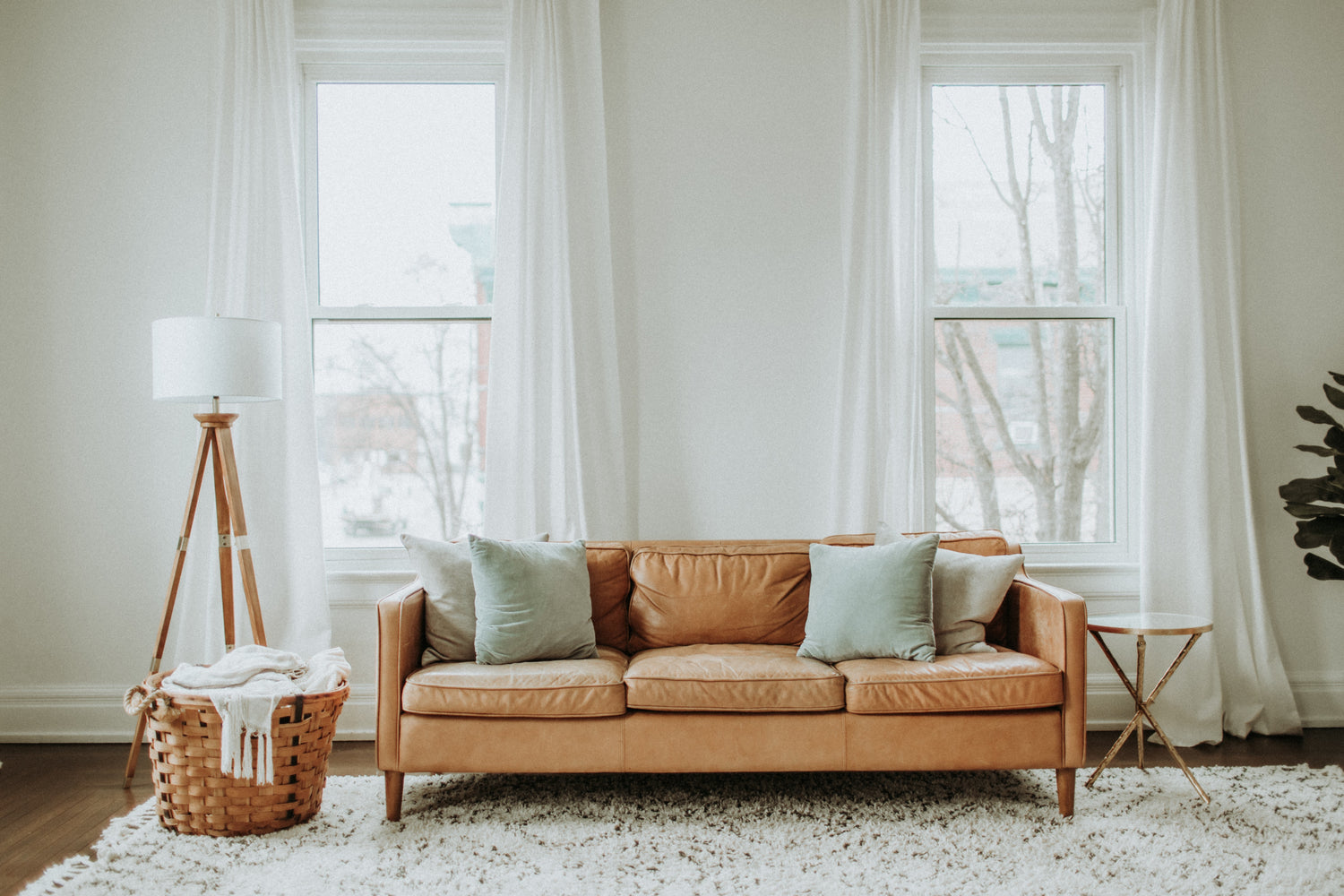
A rug not only transforms your space by adding a touch of elegance and style, but it also provides a feeling of warmth and comfort with every step.

Une assise bouclette possède déjà un relief fort. Choisissez un tapis qui équilibre sa texture, son volume et sa couleur avec des exemples précis du minimalisme aux motifs vintage.

Superposer un tapis et une moquette est possible dans certains cas. Découvrez comment examiner le support, limiter la surépaisseur et conserver un ensemble stable et facile à entretenir.

Le canapé blanc laisse une grande liberté au tapis. Voici comment choisir entre continuité claire, contraste brun, terracotta, olive et motifs sans rendre le salon froid.

Poils, épaisseur, franges, bords et serpillières : les critères à vérifier pour choisir un tapis adapté à votre robot aspirateur et tester son passage.