

Short pile
Legible patterns, generally simpler care, interesting for high-traffic living rooms.


In home decor, the term "Berber rug" is often used to describe rugs with geometric patterns, diamonds, irregular lines, or graphic compositions inspired by North African textile traditions. This does not mean that every model is hand-woven, antique, Moroccan, or made by a Berber artisan. To know the origin, material, and manufacturing of a specific rug, the product description remains the reference.
The word can cover several realities. In its historical and cultural sense, it refers to diverse textile traditions carried by the Amazigh populations of North Africa. In contemporary commerce, it has also become a much broader aesthetic category. This frequently includes modern rugs featuring black diamonds on a light background, asymmetrical compositions, broken lines, fringes, or earth tones.
This decorative use must not erase the difference between a rug actually made in an identified tradition and an industrial rug inspired by this graphic vocabulary. Both can have aesthetic appeal, but they should not be described in the same way.
If your priority is simply a contemporary interior with patterns, our design rug collection offers a wider range. If you are mainly looking for a current aesthetic, modern rug is the main stylistic parent.
Models marketed under this name may feature diamonds, chevrons, crossed lines, abstract shapes, or small repeated symbols. Some are very sober, with only a few black lines on an ecru background. Others mix several colors and create a much more expressive surface.
For decor, think primarily about scale. Large diamonds remain legible under a sofa or coffee table. A small repeated pattern creates more visual texture. In a small room, both can work: there is no rule stating that the pattern must necessarily be small. The result depends on the size of the rug, the amount of furniture placed on it, and the presence of other designs in the room.
If the curtains, cushions, or walls already have strong patterns, choose a relatively calm rug. If the furniture is solid-colored, a more expressive design can become the main graphic element. Black and white rugs can provide a similar aesthetic when contrast is the main criterion.
The ecru and black duo is one of the easiest palettes to integrate because it creates a legible pattern while remaining relatively neutral. It works with light wood, walnut, gray, beige, green, or brighter colors. A beige and brown version provides a softer, less contrasted result.
Colored models can incorporate red, orange, blue, green, or pink depending on the design. In this case, choose one or two secondary colors from the rug and potentially echo them in a few accessories. It is not necessary to reproduce the entire palette.
| Palette | Effect | Easy pairings | Usage |
|---|---|---|---|
| Ecru / black | Graphic and versatile. | Wood, gray, beige, green, black. | Living room, bedroom, office. |
| Beige / brown | Softer and earthy. | Cream, walnut, terracotta, olive. | Quiet living room, bedroom. |
| Muted multicolored | Livelier without being highly saturated. | Solid furniture, light walls. | Eclectic living room or bedroom. |
| Bold colors | Strong focal point. | Neutral sofa, limited accessories. | Room where the rug leads the palette. |
In the living room, start with the proportions. A model with large patterns may look spectacular on the product page but lose its balance if chosen too small. The rug should engage with the width of the sofa, the armchairs, and the coffee table. When the layout allows, place the front legs of the main seating pieces on the rug.
Dimensioning rules are detailed in living room rug. For a sectional sofa or a large room, check out large living room rug. A large Berber pattern works particularly well when the rest of the furniture remains relatively simple.
With a beige or ecru sofa, avoid a rug that is too similar if you want it to be visible: choose a pattern contrast or a slightly different shade. With a gray or colored sofa, a cream background and dark lines create an easy transition. With brown leather, ecru, black, or multicolored models can work depending on the desired mood.
The bedroom is suitable for more generous textures, as traffic is often less intense. A rug inspired by Berber patterns can be placed partially under the bed, at the foot of it, or as a bedside rug. A light background with a few lines provides depth without making the whole room look too busy.
If softness is the priority, look at the pile height and density rather than the style name. A shaggy rug can feature similar graphic vocabulary with more plushness. For placement around the bed, check out bedroom rug.
With bedding that is already heavily patterned, prefer a simple design. With solid-colored linens, the rug can become the main pattern. The colors of the rug do not need to be identical to those of the bedding: a discreet hint is enough.
The style does not determine the material. There are models in wool, polyester, polypropylene, cotton, or blends. Wool is not automatically proof of artisanal weaving, and a synthetic model is not necessarily of poor quality. You must examine the actual construction, density, pile height, and finishes.
Legible patterns, generally simpler care, interesting for high-traffic living rooms.
Plushier look and slightly less sharp lines. Suitable for bedrooms and cozy living rooms.
Firmer and practical under a table or in an office. The design remains very visible.
A property to confirm product by product. Berber style says nothing about machine compatibility.
If you have children or pets, choose the pile height based on your vacuum cleaner, crumbs, hair, and claws. A nuanced pattern can make certain small traces less visible, without making the rug less dirty.
Do not rely solely on the pattern, fringes, or commercial title. A geographical origin, hand-weaving, cooperative status, or traditional technique must be explicitly stated and ideally accompanied by consistent information about the manufacturing. A black diamond pattern on a white background can be produced industrially in many countries.
If the description only indicates the material, size, and a "Berber" style, consider it a decorative rug inspired by this world. This avoids unverified cultural or artisanal claims while still appreciating the design for what it is.
The same principle applies to the words "authentic," "traditional," "handmade," or "ethical." They must correspond to documented facts. The collection is therefore not intended to automatically attribute these characteristics to all its products.
In a living room, measure the seating area rather than the empty space in the middle. In a bedroom, start from the bed. Under a dining table, include the space for chairs to be pulled back. A rug with a strong pattern must keep enough surface visible for the design to remain understandable.
Visualize the dimensions with masking tape. If the pattern features large diamonds, estimate how many repetitions will remain visible once the furniture is installed. A coffee table may hide the center of the pattern; this is not a problem if the composition remains balanced around it.
For a softer shape, a round rug can feature geometric patterns without keeping the traditional rectangle. However, the shape must remain consistent with the furniture.
The Berber pattern often becomes a strong element, especially when it combines black and ecru contrast, large diamonds, or thick lines. To keep a room legible, first decide which element should catch the eye first. If the rug plays this role, the curtains, cushions, and walls can remain simpler.
You can, however, mix several patterns if their scales are different. A large design on the floor can coexist with a small pattern on a cushion, provided that the colors echo each other and solid surfaces remain present between the two. Above all, avoid accumulating several patterns of the same size and the same contrast.
In a very neutral interior, the rug can become the only source of graphics. In an eclectic decor, it can, on the contrary, serve as a link between different woods, colors, and objects. The goal is not to erase its personality, but to leave it enough visual space to be understood.
The pattern does not prove Moroccan or artisanal manufacturing.
Large patterns lose their impact when they float in the center of a large living room.
The rug can disappear in a room that is already very busy.
The collection may contain different materials and constructions.
Maintenance depends on the actual fiber, not the aesthetic vocabulary.
Such a claim must be documented on the product page.
For a simple decision, always check in this order: usage, size, material, maintenance, pattern, and then documented origin if it matters to you.
The method depends on the fiber and construction, not the style. Therefore, avoid generic recipes that assume all Berber rugs are made of wool or are handmade.
For a collection explicitly oriented toward washing, check out machine-washable rug.
No. In commerce, "Berber" can denote a style. Check the origin of each product if this criterion is important.
No. A model can be industrial or artisanal. The technique must be explicitly indicated.
Beige, gray, brown, green, blue, or off-white work easily. A solid-colored sofa generally lets the pattern breathe better.
Focus primarily on pile height, loop type, and ease of vacuuming. The style provides no special guarantee.
Only when the product description authorizes it. Never assume this from the name of the collection.
Explore design rug, modern rug, black and white rug, living room rug, and Persian rug.
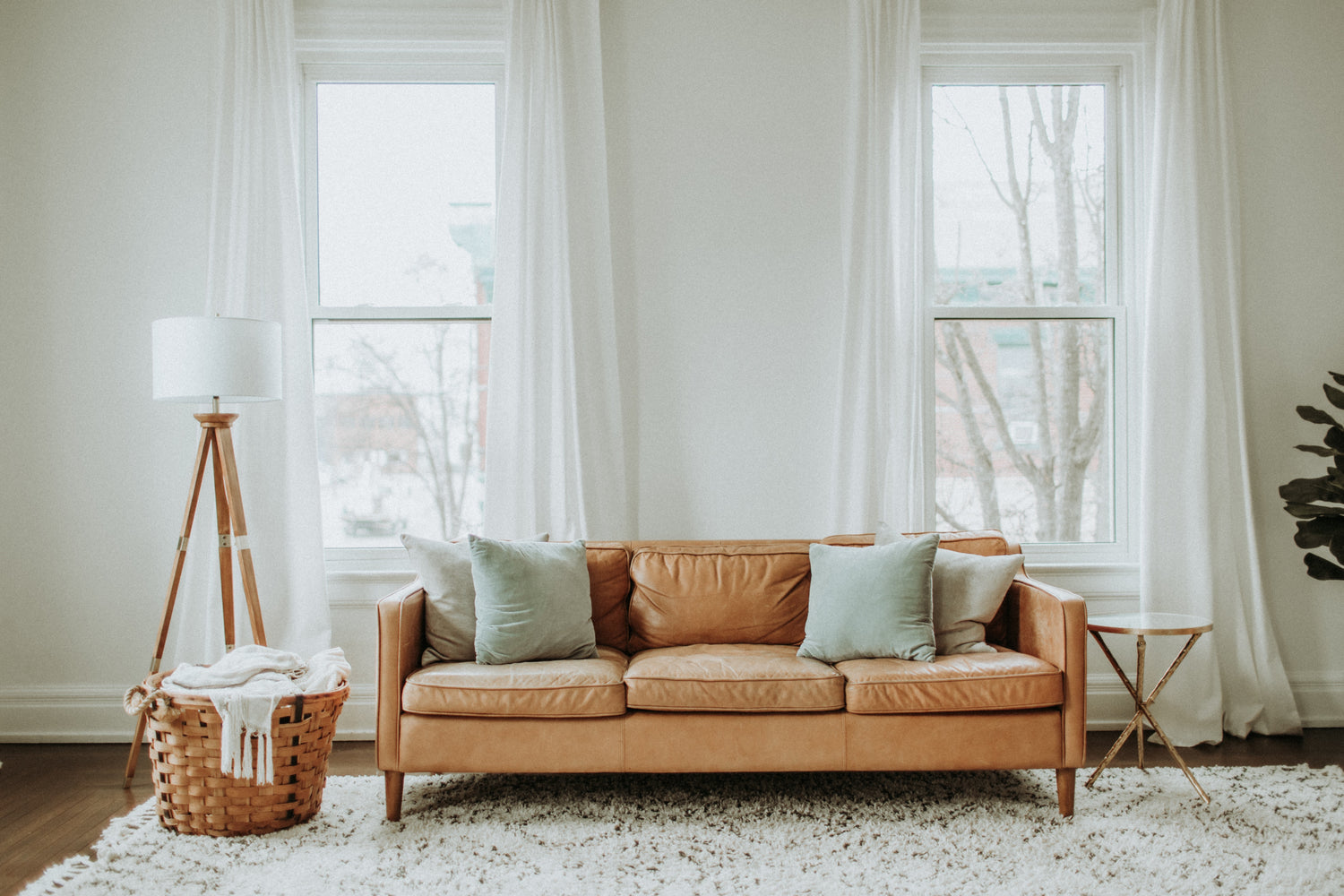
A rug not only transforms your space by adding a touch of elegance and style, but it also provides a feeling of warmth and comfort with every step.

Une assise bouclette possède déjà un relief fort. Choisissez un tapis qui équilibre sa texture, son volume et sa couleur avec des exemples précis du minimalisme aux motifs vintage.

Superposer un tapis et une moquette est possible dans certains cas. Découvrez comment examiner le support, limiter la surépaisseur et conserver un ensemble stable et facile à entretenir.

Le canapé blanc laisse une grande liberté au tapis. Voici comment choisir entre continuité claire, contraste brun, terracotta, olive et motifs sans rendre le salon froid.

Poils, épaisseur, franges, bords et serpillières : les critères à vérifier pour choisir un tapis adapté à votre robot aspirateur et tester son passage.