

Dusty pink and ecru
Soft palette with light wood, off-white, sage green, or terracotta. It works particularly well if the rest of the room already has a few colors.


A girl's rug should first be chosen like any good children's rug: based on the child's taste, the size of the room, floor activities, and expected maintenance. Pink, blue, beige, characters, animals, flowers, or graphic patterns can all work. The term "girl's" helps you find a search category, but it should not restrict the decor to one specific color or theme.
Start with the child's preferences. Some love pink, others blue, animals, cars, space, movie characters, abstract patterns, or a very understated room. None of these choices are "more correct" than the others. The rug can become a simple way to personalize the room without changing the furniture.
Also ask how she uses her room. If she plays on the floor often, the surface and dimensions matter a lot. If the rug is mostly placed by the bed, comfort when waking up might be the priority. In a reading corner, a small size or a round one may suffice. Under a small table, a relatively flat weave makes creative activities and chairs easier to manage.
For a wider selection without thematic filters, the children's rug collection is the natural parent category. If the main goal is to create a play area, also check out play rugs.
Measure the free area rather than the total floor space of the room. The bed, wardrobe, dresser, and desk already occupy part of the floor. The rug should intelligently use the remaining space without blocking the door or storage units.
| Placement | Format to test | Checklist |
|---|---|---|
| Center of the room | Medium or large format leaving a margin around it. | Access to the bed, storage, and door. |
| Near the bed | Bedside runner or rug partially under the bed. | Surface actually accessible when getting up. |
| Reading corner | Small rug or round rug. | Armchair, cushions, lamp, and traffic flow. |
| Small table | Surface covering table and chairs. | Clearance for chairs and ease of cleaning. |
| Compact room | Targeted format rather than a rug covering almost everything. | Opening of cupboards and low drawers. |
Mark out the outline with masking tape and open all the doors. Place a few toys inside the area to check if it really fits the intended use. This simulation avoids buying a large rug where a significant portion ends up under heavy furniture.
For placements under and around the bed, the bedroom rug collection details the main configurations.
The color must work with the light, the floor, the furniture, and above all, the child's preferences. A pink rug can be dusty, terracotta, vintage pink, or very vibrant. Blue and green bring other atmospheres that are just as suitable. Beige and gray offer a base that is easy to evolve with accessories.
Soft palette with light wood, off-white, sage green, or terracotta. It works particularly well if the rest of the room already has a few colors.
Sharp contrast that can be combined with wood, pink, yellow, or gray. Blue is obviously not reserved for a specific universe.
The rug becomes the focal point. Simplify large textiles or walls to avoid clashing patterns.
Versatile base if bedding, posters, and toys change often. The texture can add depth without adding a new strong color.
A light shade may make certain small marks more visible; a very dark tone sometimes shows more light-colored lint and hair. A mid-tone or subtle pattern can be visually more forgiving between cleanings without actually being less prone to getting dirty.
A character rug can become a strong emotional element in the room. If the child particularly enjoys a certain world, there is no reason to rule it out just because her tastes might evolve. A product that is truly loved and used can be more relevant than a supposedly timeless model that she doesn't like.
If you are looking for more flexibility, flowers, stars, animals, abstract or geometric shapes fit easily into various decors. A relatively simple pattern can follow the evolution of bed linen and posters for several years.
When the rug features a large illustration, avoid hiding the main part under the bed or a wardrobe. The placement must preserve what makes it interesting. For a rug intended for floor activities, the design should also remain visible and readable when toys are set up.
Licenses and characters should be considered as decorative choices. They do not confer any educational properties or special quality to the rug; check the material, dimensions, and maintenance separately.
The round rug breaks up the lines of the bed, the wardrobe, and the room. It works well under a small table, in front of a vanity, at the foot of the bed, or in a reading corner. Its value lies mainly in creating a clearly identifiable zone.
The diameter must be large enough to remain visible. Under a small table, leave a ring of rug around the legs. In an armchair corner, ensure the seat is part of the surface rather than floating just beside it.
For a firmer, organic texture, the round jute rug collection can be considered in a dry room. However, it meets a different material intent and does not provide the same softness as a textile velvet.
The surface should match the activities. A short pile is often practical for vacuuming, small rooms, and wheeled toys. A softer velvet is well-suited for reading or near the bed. A very long pile adds more volume but requires a more attentive routine.
Toys remain visible and vacuuming is generally straightforward. Interesting for a very active room.
Pleasant for bare feet and sitting. Ensure cleaning aligns with the child's daily life.
Stable under a small table and suitable for cars, building blocks, and puzzles.
A machine-washable rug can simplify certain accidents, subject to capacity and cycle.
Do not deduce properties from a material alone. Cotton, polyester, wool, or polypropylene can have very different constructions, backings, and finishes. "Natural" does not automatically mean healthier and "synthetic" does not automatically mean more resistant.
If the child plays on the floor a lot, keep most of the surface accessible. Ideally, place the rug in front of the storage units so toys can come out directly onto the area. A relatively short pile facilitates building sets, small cars, and figurines.
For puzzles or bricks, a surface that is too soft can make assemblies less stable. For reading, a softer texture is pleasant. If the uses are varied, look for a compromise rather than an ultra-specialized rug.
The play rug collection allows you to compare criteria specific to circuits and floor activities. The bedroom rug can obviously remain decorative when play happens elsewhere.
Check the underside of the rug and the flooring. If an underlay is necessary, choose one compatible with parquet, tile, laminate, or vinyl flooring. It should remain slightly smaller than the rug so as not to stick out.
Avoid improvised permanent adhesives. After washing or moving, smooth everything out. A corner located in front of the door or in a hallway deserves special attention. If the door regularly pushes the rug, choose a different position or thickness.
A rug can make the floor more comfortable, but it should not be presented as certified fall protection equipment without specific indication.
The routine depends on usage. A room where children play, draw, and occasionally eat requires more cleaning than a room essentially dedicated to sleeping. Remove small pieces before vacuuming and act quickly on liquids.
Posters, cushions, bedding, lamps, and storage boxes are easier to replace than a large rug. When tastes change, start with these elements. A character rug can stay in the room if the child still likes it, or be moved to a play area.
A beige, gray, or relatively abstract-patterned rug gives more freedom to change the colors around it. But real longevity also depends on the size and condition of the product. An incorrectly sized neutral rug is not more durable in practice than a well-fitted colorful rug.
As they grow, the child may prefer a less thematic world. The modern rug, designer rug, or color-based collections then allow you to naturally step out of the children's theme.
The child's tastes are a better guide than traditional codes.
Validate space, doors, and storage first.
A character rug loses its appeal if its main part disappears under the bed.
Small pieces and wheels are often easier to use on a short surface.
The category does not guarantee non-slip, hypoallergenic, or certified status.
Accessories and textiles can update the room without replacing the rug immediately.
No. Pink, blue, green, beige, gray, black and white, or multicolored can all be suitable depending on the child's tastes.
Choose the theme she likes, then check dimensions, material, maintenance, and placement just like any children's rug.
A medium format, a bedside rug, or a focused round rug can be more practical than a very large model that gets in the way of cupboards.
A short pile often simplifies vacuuming. For a full wash, look for a model explicitly washable and compatible with your machine.
You can select a versatile pattern or accept a strong theme today and later change the surrounding accessories.
Yes, especially under a small table, in a reading corner, or at the foot of the bed, provided its diameter remains proportional.
No. The room, activities, tastes, and desired maintenance count more than a sales category.
Compare children's rugs, play rugs, bedroom rugs, pink rugs and round rugs. To browse all styles, return to rugs.
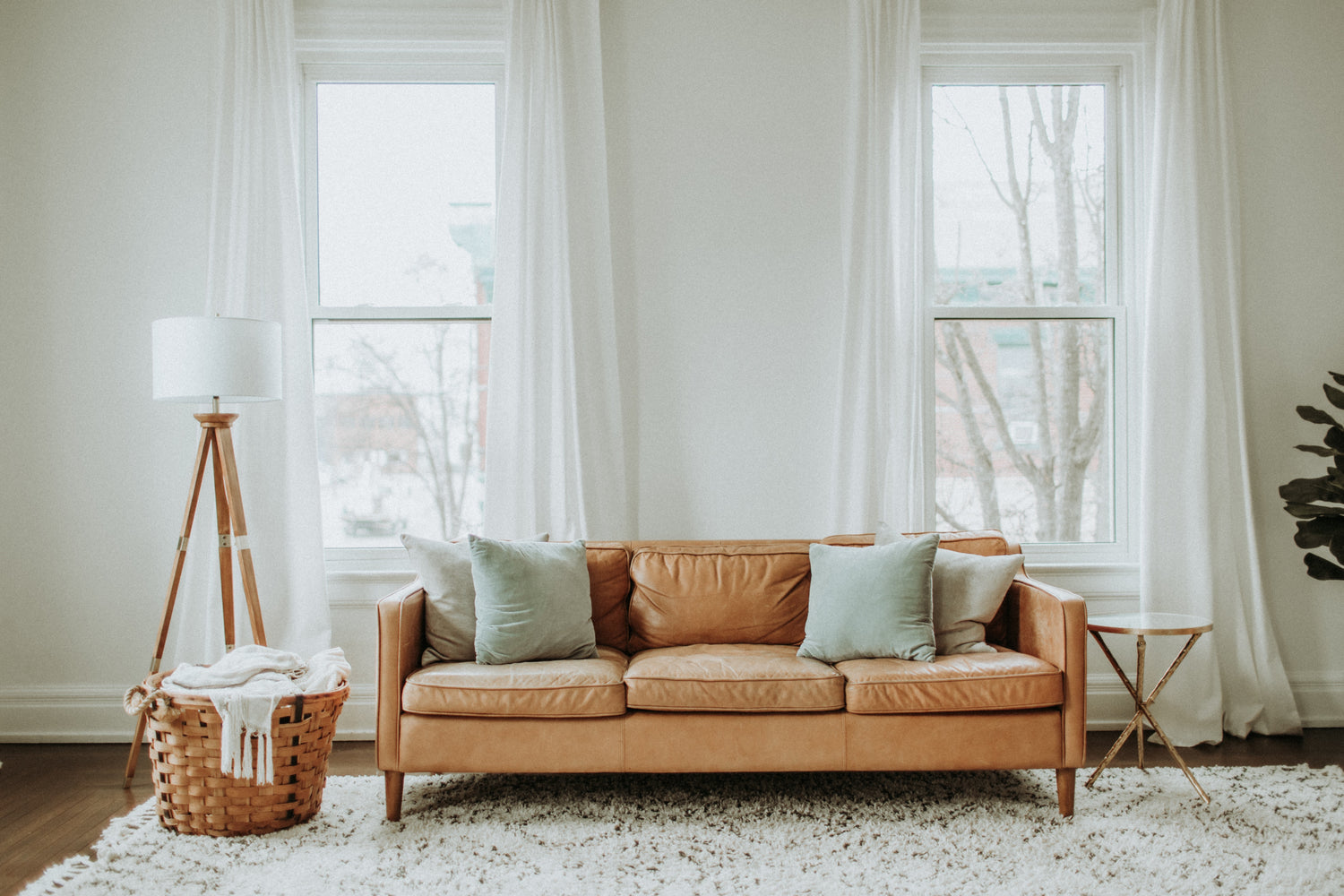
A rug not only transforms your space by adding a touch of elegance and style, but it also provides a feeling of warmth and comfort with every step.

Une assise bouclette possède déjà un relief fort. Choisissez un tapis qui équilibre sa texture, son volume et sa couleur avec des exemples précis du minimalisme aux motifs vintage.

Superposer un tapis et une moquette est possible dans certains cas. Découvrez comment examiner le support, limiter la surépaisseur et conserver un ensemble stable et facile à entretenir.

Le canapé blanc laisse une grande liberté au tapis. Voici comment choisir entre continuité claire, contraste brun, terracotta, olive et motifs sans rendre le salon froid.

Poils, épaisseur, franges, bords et serpillières : les critères à vérifier pour choisir un tapis adapté à votre robot aspirateur et tester son passage.