

Short velvet
A good balance for the living room or bedroom when you want comfort without a very long pile.


A blue rug can be understated, profound, or highly graphic depending on the chosen shade. Sky blue, grayish blue, petrol, indigo, or navy tell different stories in a room. The right blue rug depends above all on the sofa, the floor, the light, and the amount of color already present in the decor.
A very light blue has a soft presence and can lean toward gray depending on its saturation. Petrol blue contains a hint of green and goes well with natural materials. Navy is darker and strongly structures the area on the floor. Indigo falls between several of these registers depending on the product.
| Shade | Rendering | Paired colors | To check |
|---|---|---|---|
| Sky / mist blue | Light and subtle. | Off-white, gray, light wood, pale pink. | Can seem very cold with certain gray floors. |
| Petrol blue | Colorful and deep. | Beige, walnut, green, brass, terracotta. | The shade can vary significantly depending on the light. |
| Indigo | Dense but vibrant. | Ecru, wood, brown, gray. | Look at the actual saturation of the product. |
| Navy blue | Highly structuring. | White, beige, light gray, wood. | In large sizes, it becomes a significant dark mass. |
Blue and beige create an easy balance between color and warmth. A blue rug under a beige or cream sofa becomes the main element without the room looking too busy. To invert the composition, explore the beige rugs.
Blue and gray yield a more mineral palette. Choose a blue that is distinct enough to prevent everything from blending together. Blue and white produce a fresher, more graphic contrast; an off-white is softer than a pure white.
Blue and wood work particularly well because the hue of the wood brings a different kind of warmth. Light oak accompanies soft blues, while walnut and darker woods can support navy or petrol.
For a bolder contrast, blue can be paired with terracotta, brick red, mustard yellow, or muted pink in small touches. The rug does not need to incorporate all these colors.
In a neutral living room, the blue rug can become the large colored surface. With a beige, light gray, or ecru sofa, a medium to deep blue provides an anchor point. With a sofa that is already blue, choose a clearly different shade or a pattern that introduces another color.
The dimensions should be determined before the shade. In a large living room, a navy blue that is too small often looks more isolated than a generous model integrated under the seating. Detailed rules are available in living room rugs and large living room rugs.
For a contemporary decor, a blue and white pattern, an abstract design, or geometry can create more rhythm. Compare with designer rugs and modern rugs.
Blue combines easily with white, beige, gray, green, or terracotta linens. In the bedroom, the texture of the rug deserves as much attention as the shade. A deep, long-pile blue creates a strong presence; a short-pile grayish blue remains more discreet.
If you are looking for softness, check out the shaggy rugs. For placement around the bed, refer to bedroom rugs. A round shape can also work near an armchair or a vanity.
With blue walls, avoid a perfect tone-on-tone match. A lighter or darker rug, or a pattern with beige or white, creates a more readable separation.
Blue can be printed, dyed, or achieved through very varied constructions. The material influences the touch, but also how the color catches the light. A velvet may show variations depending on the direction of the pile; a flat weave often displays the pattern with more sharpness.
A good balance for the living room or bedroom when you want comfort without a very long pile.
The texture accentuates the variations of the blue. Softer but more demanding to vacuum.
Suitable for geometric patterns and areas where chairs and furniture are moved often.
More textured finish; check maintenance and color resistance specifically depending on the product.
A deep color strongly draws the eye; a small navy blue rug can therefore seem even smaller in a large living room. If you use blue as an anchor, give it enough surface area to connect the furniture.
In a bedroom, a large blue rug under the bed can become the main color of the room. In a hallway, a blue runner provides a clear visual axis. In a reading corner, a blue round rug creates an autonomous zone.
Test the size with masking tape and observe the surface at different times of the day: a large blue rug can appear darker in the evening than in broad daylight.
Blues are particularly sensitive to the color temperature of light. A room oriented toward cool light can make certain blues appear grayer. A very warm artificial light can bring out their green or purple components. This does not mean that the rug's color changes; it is the perception that varies.
If your room lacks light, a light or medium blue remains more subtle. If it is very bright and you are looking for depth, navy or indigo can be interesting. However, do not choose solely based on orientation: the floor and the sofa are just as important.
Ask yourself three simple questions: do you want the rug to blend into the room, bring a visible color, or create a dark anchor? A light blue better meets the first need. Petrol brings an assertive yet nuanced color. Navy creates the densest base.
Then look at the amount of blue already present. With a blue sofa, an identical rug can make the whole look very uniform. A lighter, darker, or slightly green-leaning shade provides more depth. If blue does not appear anywhere else, the rug can become the starting point for the palette and be repeated only on a few accessories.
Finally, observe the floor. On warm parquet, almost all blues create an interesting contrast. On gray tiles, a very grayish blue might blend in more. The best shade is the one that remains readable on the floor while maintaining the level of contrast you desire.
On light parquet, a navy, petrol, or indigo blue creates a sharp contrast and highlights the warmth of the wood. A sky blue also works, but the effect will be softer. On dark wood, a medium or grayish blue can maintain more separation than a very dense navy.
With gray tiles or concrete, avoid a blue that is too close to gray if you want the rug to remain clearly identifiable. A more saturated blue, like petrol or navy, creates a more readable boundary. With a beige floor, blue works almost like a soft complementary color: the warmth of the floor balances its coolness.
On a floor that is already colored or highly veined, favor a less complex blue surface so that the two patterns do not compete. The rug should create a link with the furniture, not just contrast with the floor.
The color blue does not make a rug more or less dirty in itself. On dark blues, light dust, lint, and certain types of pet hair can be more visible. Medium blues, heathered, or slightly patterned ones are often more visually forgiving between vacuuming sessions.
With children or pets, focus primarily on the pile height, stability, and maintenance method. If you are looking for easier thorough cleaning, check the models in the machine-washable rug collection rather than assuming a synthetic blue rug can be machine-washed.
A petrol blue can look greener or darker depending on the lighting.
A small dark mass can look isolated in a large living room.
A variation in shade or pattern often provides more relief with a blue sofa.
If the blue rug is already very present, limit other saturated accents.
It can stand out more on certain dark blues.
The color should enhance a good proportion, not replace it.
Blue does not require a special method, but some dark colors can show light dust and lint. Regular vacuuming keeps the texture clear.
Petrol, indigo, or navy blue create a sharp contrast; a grayish blue will yield a softer result.
Choose a blue that is saturated or dark enough to distinguish itself from the gray. Petrol or navy often works better than a very grayish blue.
Yes, if the size and lighting are consistent. Navy creates a dark mass, but a good format can structure rather than visually shrink the space.
Both work. Blue creates more contrast with plants; green extends the botanical palette. Compare green rugs.
An abstract pattern, geometric design, or a solid velvet in a deep blue can be suitable. The modern rug collection allows for more filtering by style.
Also explore living room rugs, bedroom rugs, modern rugs, gray rugs and green rugs.
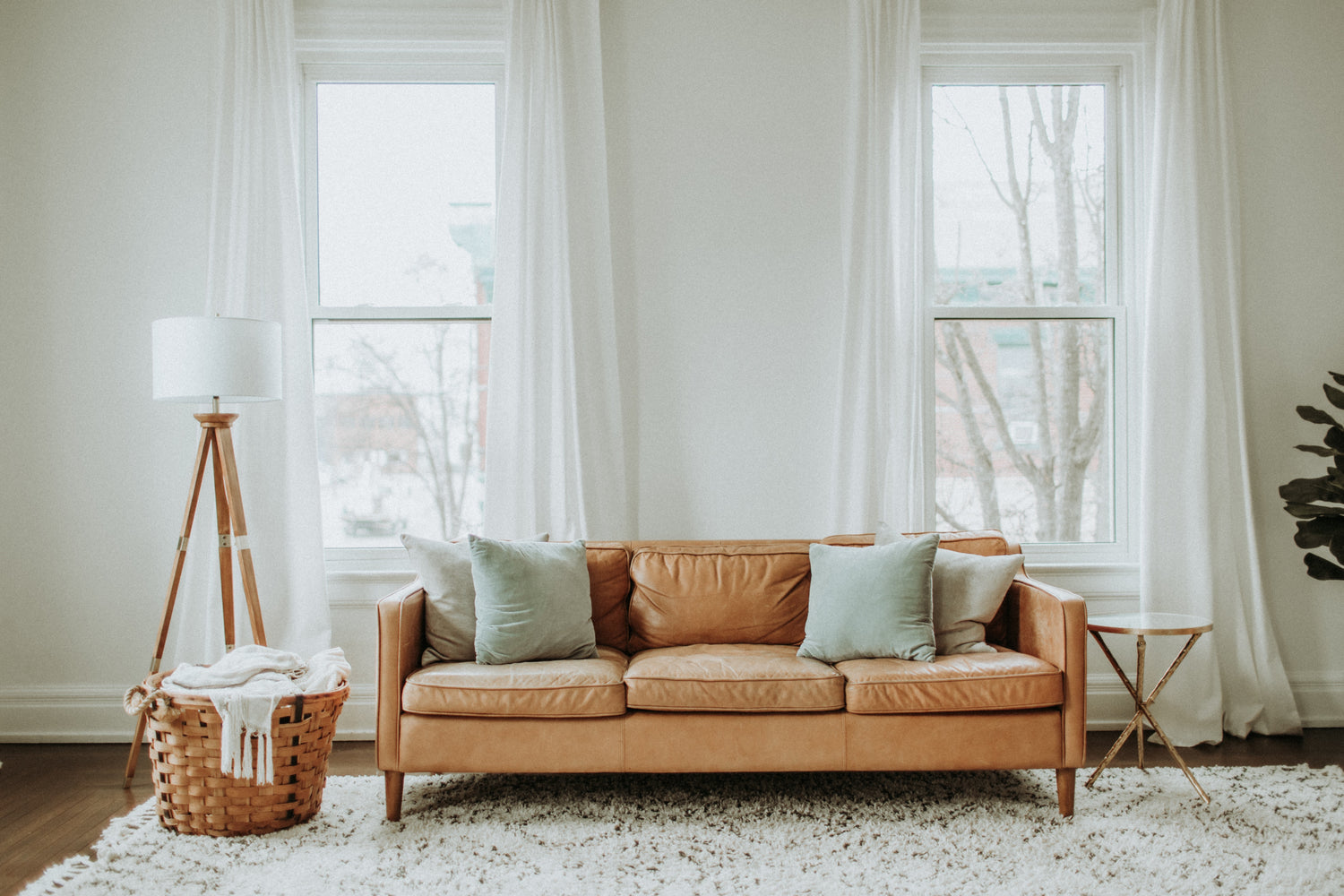
A rug not only transforms your space by adding a touch of elegance and style, but it also provides a feeling of warmth and comfort with every step.

Une assise bouclette possède déjà un relief fort. Choisissez un tapis qui équilibre sa texture, son volume et sa couleur avec des exemples précis du minimalisme aux motifs vintage.

Superposer un tapis et une moquette est possible dans certains cas. Découvrez comment examiner le support, limiter la surépaisseur et conserver un ensemble stable et facile à entretenir.

Le canapé blanc laisse une grande liberté au tapis. Voici comment choisir entre continuité claire, contraste brun, terracotta, olive et motifs sans rendre le salon froid.

Poils, épaisseur, franges, bords et serpillières : les critères à vérifier pour choisir un tapis adapté à votre robot aspirateur et tester son passage.