

Cars and trains
A short pile or flat weave generally makes it easier for small wheels to move and makes a track design more legible.


A play mat should first and foremost create a practical zone where a child can settle in with their toys. Car tracks, building blocks, figurines, puzzles, reading, or quiet activities: the best mat depends on available surface area, pile height, stability, and maintenance. A playful pattern can stimulate the imagination, but it does not automatically transform the rug into an educational or protective tool.
The way they play provides the best starting point. A child rolling vehicles needs a different surface than one building a tower or sitting down with books. If several activities take place in the same room, look for a compromise rather than an ultra-specialized rug.
A short pile or flat weave generally makes it easier for small wheels to move and makes a track design more legible.
A relatively stable base helps builds stay up and prevents small pieces from disappearing deep into the pile.
A flat surface simplifies assembly and moving pieces. Make sure there is enough space for the child to sit around it.
A slightly softer rug can be pleasant for lying down or sitting, provided its maintenance remains compatible with the room.
For a more general selection by room and user, the children's rugs collection is the natural companion to this sanctuary. The play mat serves a functional purpose here: creating a real activity zone on the floor.
Measure the free space between the bed, storage, door, and desk. An XXL rug can create a large central area but also becomes heavier to move and clean. A medium size is often simpler in a compact room. A small rug is suitable for a specific activity but can quickly become crowded when toys spread out.
| Usage | Size to test | Check before buying |
|---|---|---|
| Central area | Surface large enough for the child and their usual toys. | Clearance for the bed, door, and storage. |
| Car track | Format that keeps the design visible and accessible from several sides. | Furniture that could hide roads or useful areas. |
| Reading corner | Small or medium rug under cushions or an armchair. | Stability and room to sit. |
| Small table | Rug covering table and chairs. | Chair clearance, crumbs, and creative activities. |
| Large XXL rug | Clearly defined central zone. | Weight, moving, cleaning, and potential washing. |
Pile height directly influences play. A short pile makes small pieces visible and facilitates vacuuming. A medium pile provides more comfort while remaining relatively stable. A very long pile is visually appealing but can be less practical for cars, puzzles, and small building bricks.
Very practical for tracks, puzzles, and building. Patterns remain clear and children's chairs move easily.
Good compromise between comfort, vacuuming, and visibility of small pieces.
Softer for reading or sitting. Check that small wheels and constructions remain compatible.
Plush but generally more demanding in terms of maintenance and less suitable for small pieces.
Do not choose based solely on composition. Polyester, cotton, polypropylene, or other fibers can create very different surfaces depending on the weave, density, and backing.
A car play mat is generally more pleasant to use when wheels roll without sinking into the fibers. A short or flat surface also allows for following roads, buildings, and illustrations. The design must remain visible enough once the toys are set up.
Place the mat so that the child can reach it from several sides. If it is wedged between a wall and a large piece of furniture, certain parts of the track may become difficult to access. In a small room, a more compact but fully usable format may be preferable to a large rug where half remains under the bed.
The design can serve as a starting point for stories, but there is no need to impose a specific way of playing. The roads can become a setting for figurines, animals, or building structures. This freedom is part of the appeal of an illustrated rug.
However, avoid presenting a track as a certified educational tool without specific elements. It can accompany the learning of concepts through play, but no special pedagogical performance should be deduced from the pattern alone.
A play area involves rapid movements, children kneeling, standing up, and crossing the room. Therefore, check the backing of the rug and the nature of the floor. Some models have a specific backing, while others require an appropriate underlay.
An underlay must be compatible with parquet, tile, laminate, or vinyl flooring. It should remain slightly smaller than the rug so as not to stick out. Avoid improvised adhesives that could mark the flooring or create areas that are difficult to clean.
After delivery, let the rug relax if it was rolled up. Check the corners located in high-traffic areas. If a door regularly pushes an edge, move the rug or choose a lower thickness rather than trying to stick it firmly to the floor.
The pattern can be part of the activity or simply decorate the room. Roads, vehicles, animals, shapes, letters, or illustrated scenes provide starting points for the imagination. A more abstract pattern allows for more freedom and can suit several ages.
In a room that is already very colorful, a rug with a limited palette avoids sensory overload. With neutral furniture and walls, a brighter design can become the main graphic element. The child's tastes count more than the idea that a pattern should be "for girls" or "for boys."
If you are looking for a decoration that can evolve, a geometric or animal pattern, or a relatively understated road design, can remain relevant as toys change. If the child strongly likes a specific theme, it is just as legitimate to choose it for their current enjoyment.
A rug featuring letters, numbers, or a map can become a topic for discussion, but this is not enough to guarantee educational effectiveness. Its primary role remains that of a play and decoration mat.
The ideal location is near the storage units containing the most used toys. The child can then take toys out directly onto the surface and put them away more easily. In the center of the room, the rug clearly distinguishes the activity zone from the sleeping zone.
Avoid hiding a large pattern under the bed or a wardrobe. If the room is small, use a more compact rug or place it partially under a piece of furniture only when the visible part remains sufficient. For arrangements around the bed, check bedroom rugs.
A round rug can create a more compact reading corner or construction area. For a rectangular table or a large track, a rectangle is often easier to utilize.
In a shared room, a large common rug can become a collective play area. Two small rugs can also identify two personal corners, but avoid increasing the number of edges if it complicates foot traffic.
For a toddler playing on the floor under supervision, stability and maintenance are often the priorities. For a school-age child, the rug can be used for building, tracks, and board games. Later, it can simply become a room rug or a reading corner.
Size is often more important than theme for this evolution. A correctly proportioned size can change function. A car track can continue to be used for a long time if the child loves it, whereas a more abstract pattern can become purely decorative.
Do not intentionally oversize the rug to anticipate several years if it gets in the way of the room today. It is better to have a functional zone now than a supposedly future solution that is difficult to use on a daily basis.
Always remove small pieces before vacuuming. In a play area, bricks, figurine accessories, beads, and small elements can easily hide in the surface. Vacuum with a brush suitable for the pile height.
For a selection focused on washing, check machine-washable rugs. A large play mat may be declared washable while being too bulky for a home machine: always check the actual capacity.
A play mat should not be labeled as "non-toxic," "chemical-free," "hypoallergenic," or "antibacterial" without specific information or certification. If these criteria are important, consult the manufacturer's data and the model's composition.
For a baby or a very young child, the mat can serve as a floor play surface used under the intended conditions, but it does not replace a sleep mattress or fall-protection device. Always respect the usage recommended by the product.
Regularly inspect the fringes, seams, and finishes, especially when the child is young. If a part detaches or creates an obvious problem, stop using the rug until it is corrected or replaced.
In case of known allergies or sensitivities, personalized medical advice remains more relevant than a general claim about a material or collection.
The child and toys immediately spill off the zone, which reduces the rug's purpose.
Small wheels, puzzles, and building pieces are often more practical on a short surface.
A track or illustrated scene loses its interest under a large piece of furniture.
A pattern can support play, but it does not prove pedagogical performance.
In an active zone, a raised edge or a moving rug quickly becomes annoying.
An XXL rug may be too bulky for a home machine.
A relatively flat or short-pile surface generally makes rolling easier and keeps small pieces visible.
Measure the free space and choose a surface that allows the child to sit with their main toys without blocking traffic paths.
No. A drawing can accompany an activity, but it does not prove specific educational effectiveness.
Only if its product sheet allows it and if its volume and weight are compatible with your washing machine.
Choose according to the indicated usage, composition, stability, and maintenance. The rug is a play surface and not for sleeping.
Not necessarily. For cars, puzzles, and building sets, a more stable surface can be more functional.
Ideally near storage and in an area where the child can access several sides without blocking traffic.
For a more general selection, return to children's rugs. For the sleeping area, check out bedroom rugs. To simplify certain washes, explore machine-washable rugs. Also discover rugs for girls or the entire rug catalog.
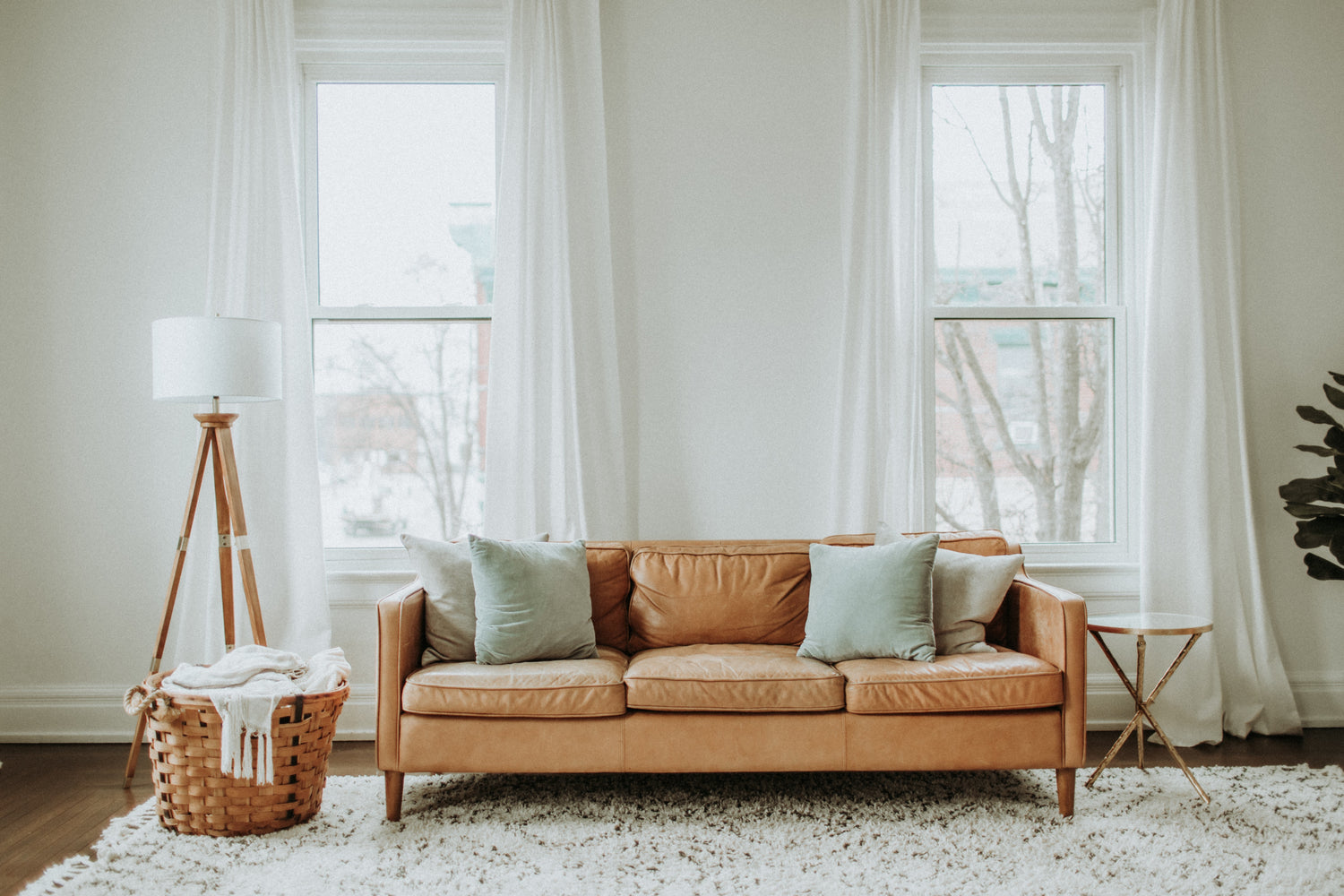
A rug not only transforms your space by adding a touch of elegance and style, but it also provides a feeling of warmth and comfort with every step.

Une assise bouclette possède déjà un relief fort. Choisissez un tapis qui équilibre sa texture, son volume et sa couleur avec des exemples précis du minimalisme aux motifs vintage.

Superposer un tapis et une moquette est possible dans certains cas. Découvrez comment examiner le support, limiter la surépaisseur et conserver un ensemble stable et facile à entretenir.

Le canapé blanc laisse une grande liberté au tapis. Voici comment choisir entre continuité claire, contraste brun, terracotta, olive et motifs sans rendre le salon froid.

Poils, épaisseur, franges, bords et serpillières : les critères à vérifier pour choisir un tapis adapté à votre robot aspirateur et tester son passage.