

Large textured base
A seagrass rug can connect a sofa, armchairs, and coffee table without introducing a very strong pattern. For proportions, consult our living room rugs.


Seagrass rugs are distinguished by a firm plant fiber, a highly visible weave, and a naturally neutral palette. They are especially attractive in dry or protected rooms when you are looking for a textured surface rather than a plush rug. Before purchasing, it is important to look at the backing, stability, usage area, and maintenance instructions just as much as the visible fiber.
Seagrass is a plant material used to make woven coverings and rugs. Depending on the construction, the surface may appear smooth, slightly shiny, or highly textured. Natural shades generally fall between beige, straw, and slightly greenish tones, with variations that evolve based on the fiber, light, and the product.
To the touch, a seagrass rug is firmer than a wool pile, a plush polyester, or a shaggy rug. It does not aim to create a "cloud" sensation. Its appeal lies more in providing a structured material for the floor, with a calm color and a visible relief.
This firmness can be an advantage under a table or in a living room where a low-pile rug is desired. It may be less suitable for someone who wants to sit on the floor for long periods or walk barefoot on a very soft surface. The right choice therefore depends on the comfort sought as much as the aesthetics.
The visible fiber does not tell the whole story of the product. Some rugs combine seagrass with a textile border, a synthetic backing, or a layer designed to maintain shape. These elements influence maintenance, stability, and compatibility with the floor.
Both belong to the world of plant fibers, but their appearance and behavior are not identical. Jute is often more matte, fibrous, and brown-beige. Seagrass generally features a smoother, sometimes slightly satin-like surface, with tones that can lean toward a greenish beige depending on the model.
| Criteria | Seagrass rug | Jute |
|---|---|---|
| Appearance | Often smoother, clean weave. | More fibrous and matte. |
| Feel | Firm. | Firm to relatively flexible depending on the braiding. |
| Natural colors | Beige to sometimes greenish shades. | Ecru, beige, honey, or brown. |
| Maintenance | Mainly vacuuming and compatible spot treatment. | Mainly vacuuming, great caution with water. |
| Dedicated shape at Heikoa | Collection by material. | Round jute rug for the round cocoon look. |
In both cases, water must be managed with caution. The fact that a plant grows in a damp environment does not mean that the finished rug can withstand repeated splashing, soaking, or standing water. The processing, backing, and finishes completely change the context.
A seagrass rug can connect a sofa, armchairs, and coffee table without introducing a very strong pattern. For proportions, consult our living room rugs.
A relatively firm surface facilitates the movement of chairs. Allow for enough overhang and intervene quickly with liquids.
It provides a lot of texture but less softness than a pile rug. It works well under an armchair or partially under the bed if this texture suits you.
The weave may be suitable if the area remains protected. Check door clearance, stability, and moisture brought in by shoes.
Bathrooms and areas outside the shower are generally not the best locations. For these uses, choose a bath mat designed for the corresponding drying and maintenance. For terraces and balconies, use our outdoor rugs.
Since the texture is often relatively uniform, the size does much of the decorative work. A large seagrass rug creates a very clear natural base; a small format acts more as an accent near an armchair or in an entryway.
In the living room, try to connect the rug to the seating. Under a table, measure the clearance required for the chairs. In a hallway, keep a margin from the walls and check all doors. Masking tape remains the simplest method to test the surface before purchase.
A large format can be attractive but becomes more difficult to move to clean underneath. Think about your routine: will you be able to lift a corner, vacuum under the furniture, and quickly treat a stain? A very large rug is only relevant if it remains manageable in the room.
The pattern of seagrass often comes from the weave itself. A herringbone design creates diagonals and more movement. A basket weave appears more regular and graphic. A fine weave results in a surface that is visually calmer than a thick relief.
The weave also influences cleaning. Marked indentations can trap more small particles, while a tighter surface is often easier to vacuum. Under a table, check whether the thin legs or casters of a chair risk getting stuck in significant relief.
The border also plays a role. A black or dark finish creates a very sharp frame; a beige border lets the material dominate. Check that it remains flat in high-traffic areas and that it does not create a bulkiness incompatible with a door.
Finally, look at the expected consistency. A plant fiber may present small variations in color or thickness. This does not mean that every irregularity is normal, but a perfectly uniform finish should not necessarily be expected as it would be with a printed material.
A seagrass rug does not impose a rustic or bohemian style. In a contemporary interior, its weave creates an interesting contrast with glass, black metal, a sofa with simple lines, and white walls. In a softer atmosphere, it works with linen, light wood, ceramics, and ecru tones.
To avoid a room that is entirely beige, add a deeper color: forest green, midnight blue, black, terracotta, or brick red. The rug then remains a neutral base, and the color can evolve through cushions, armchairs, or artwork.
If you like this palette but want more softness, our beige rug collection offers textile alternatives. For a more graphic composition, a modern rug or a designer rug will be more expressive.
On a parquet floor of a similar color, a contrasting border can help define the rug. On a dark floor, light seagrass naturally stands out more. Light also modifies the shades: a slightly green tone may be more visible in natural light than in warm artificial lighting.
You must be cautious. The original plant is associated with damp environments, but a finished rug is a processed product with a weave, a backing, and sometimes glues or borders. This does not lead to the conclusion that it can remain wet.
Avoid repeated splashing, direct exits from the shower, and standing water unless the model's data sheet explicitly confirms this use. After a small incident, absorb quickly and encourage complete drying. Do not place a damp rug back onto parquet or sensitive flooring.
A poorly ventilated room can also prolong drying. If the rug is in an entryway where wet shoes pass regularly, install a doormat at the threshold to reduce the amount of moisture reaching the seagrass.
Cleaning with large amounts of water or steam should not be used by default. A method suitable for a synthetic rug may not be suitable for this fiber or its backing.
The backing may include a support layer, a layer designed to maintain shape, or other materials. These elements influence stability, flexibility, crease resistance, and cleaning methods. The seagrass surface alone is therefore not enough to describe the entire product.
Check if the rug has a stated non-slip backing or if an underlay is recommended. In the latter case, choose one that is compatible with both the rug and the floor. Certain parquet floors, vinyl floors, or finishes can react to materials left in contact for a long time.
In an entryway or hallway, check the total thickness including the border and any potential underlay. Even a generally thin rug can catch on a door if its peripheral finish is thicker.
Clean under the rug regularly. Sand and dust can slip between the backing and the floor and become abrasive when walked upon.
The firm surface can be practical for wheeled toys or lightweight furniture, but it does not offer the same comfort as a soft children's rug. If children play on the floor for long periods, ensure that the texture truly suits them.
Liquids are the main point of concern. In an area where drinks, paint, or other incidents are frequent, a material easier to clean with water may be more realistic. The bedroom or family living room remain possible if habits are compatible.
With pets, some claws can snag the weave or borders. Hair is often quite visible on the surface and accessible to vacuuming, but the behavior depends on the relief. A cat may also be attracted to a textured plant material as a scratching surface.
Stability remains essential. If the rug slips, use only a compatible underlay. The firmness of the fiber does not mean that the rug stays in place automatically.
Prioritize a dry and regular routine. Vacuuming removes dust and particles lodged in the weave. For a stain, the method depends on the data sheet and the backing. Avoid soaking and home remedies that involve a lot of moisture.
No. The surface material is plant-based, but the environmental impact depends on cultivation, processing, treatments, backing, manufacturing, transport, lifespan, and end-of-life. Without certification or precise information, it is more accurate to speak of plant fiber.
In the same way, "natural" does not mean "hypoallergenic." If a certification concerning emissions, composition, or allergens is important to you, check that it is actually stated on the product. In case of a known allergy, personalized medical advice is more relevant than a generic promise.
The term "handmade" should also not be inferred from an irregular or braided appearance. The manufacturing method must be documented specifically.
Always check the intended use and prioritize dry or protected rooms.
These are two different fibers, even if they share a natural aesthetic.
Caution regarding moisture remains essential for both the fiber and the backing.
A plant fiber does not summarize the impact of the entire product.
The back influences stability, compatibility with the floor, and maintenance.
Seagrass is generally firm; choose it for its texture, not to imitate a shaggy rug.
It is better to avoid regularly damp areas unless the product is explicitly intended for this use.
It is generally firm and textured. For a very soft feel, choose a textile pile rug instead.
Jute is often more matte and fibrous; seagrass is smoother. Both require caution with humidity.
The material alone does not allow this claim to be made. Look for certification or specific information.
Not by default. Heat and moisture can be unsuitable for the fiber or the backing.
Yes, in a dry room if the size allows for chair clearance and if you can treat spilled liquids quickly.
It depends on the backing and the floor. If it is necessary, choose one that is compatible with both materials.
For jute, discover round jute rugs. For a similar but softer palette, explore beige rugs. For the living room, consult living room rugs. For a damp or outdoor area, choose a bath mat or outdoor rug instead.
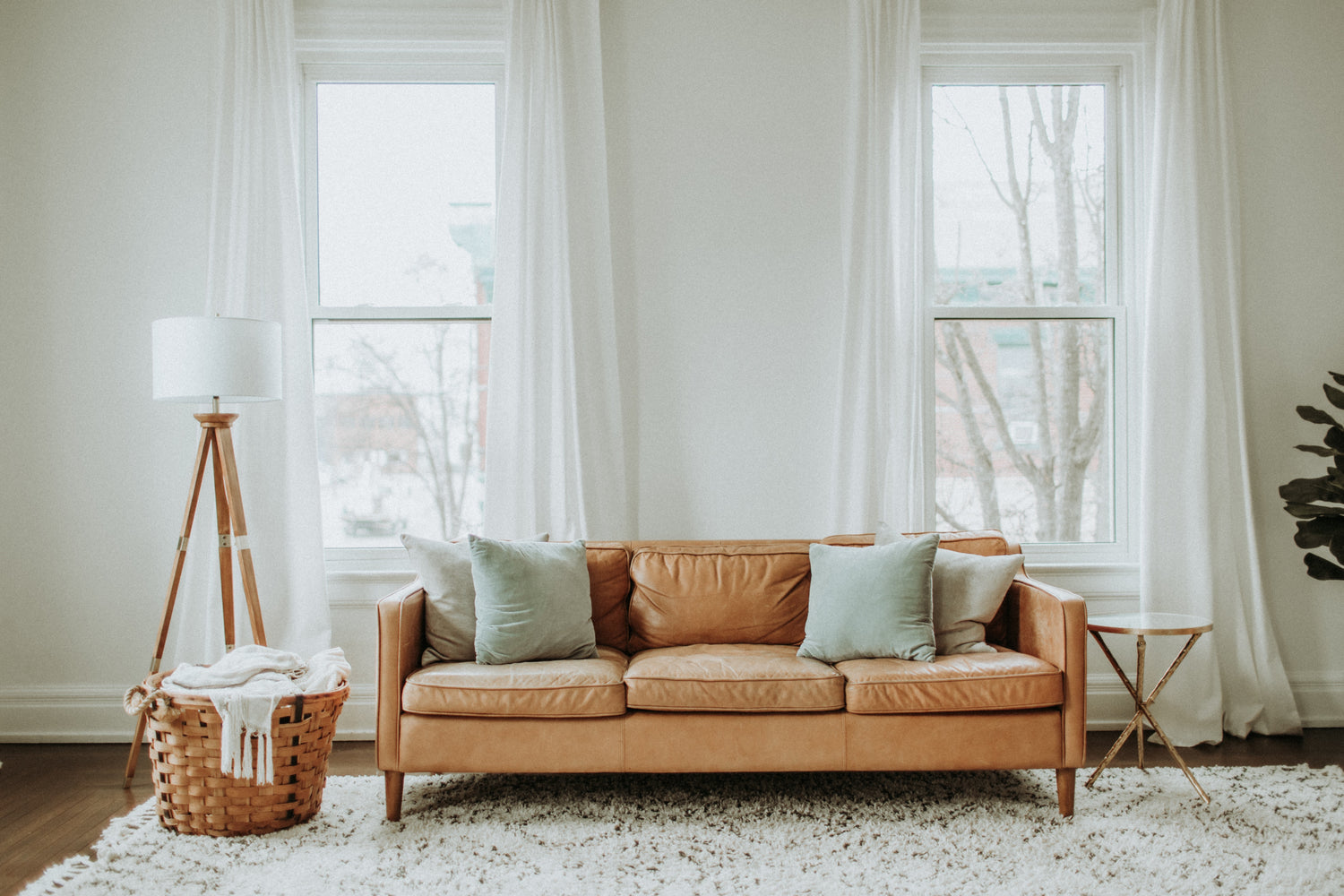
A rug not only transforms your space by adding a touch of elegance and style, but it also provides a feeling of warmth and comfort with every step.

Une assise bouclette possède déjà un relief fort. Choisissez un tapis qui équilibre sa texture, son volume et sa couleur avec des exemples précis du minimalisme aux motifs vintage.

Superposer un tapis et une moquette est possible dans certains cas. Découvrez comment examiner le support, limiter la surépaisseur et conserver un ensemble stable et facile à entretenir.

Le canapé blanc laisse une grande liberté au tapis. Voici comment choisir entre continuité claire, contraste brun, terracotta, olive et motifs sans rendre le salon froid.

Poils, épaisseur, franges, bords et serpillières : les critères à vérifier pour choisir un tapis adapté à votre robot aspirateur et tester son passage.