

Synthetic short pile
Often practical in a family living room or high-traffic area. Ease of cleaning, however, depends on the specific model.


A beige rug is a versatile decorative base, but not all beiges produce the same result. Whether ecru, sand, linen, greige, rosy beige, or a browner beige: the shade must be chosen based on the flooring, the light, the sofa, and the other materials in the room. To choose the right beige rug, start with the size and usage, then refine by considering the hue and texture.
Beige is a color family, not a single hue. Ecru leans toward warm white. Sand contains more yellow or brown. Greige blends beige and gray. Taupe is closer to grayish brown. These differences may seem subtle on a screen, but they significantly change the final look once the rug is laid out over several square meters.
| Shade | Visual effect | Easy pairings | Watch out for |
|---|---|---|---|
| Ecru / ivory | Very light and bright. | Light wood, oak, soft gray, sage green. | Small marks may be more visible. |
| Sand | Warmer and more enveloping. | Terracotta, walnut, off-white, black. | Can appear yellow in certain lighting. |
| Greige | Neutral between warm and cool. | Gray sofa, medium wood, chrome, beige. | Compare with the actual color of the floor. |
| Brown beige / taupe | Denser, less bright. | Cream, cognac leather, olive green, deep blue. | Can make an already dark room feel heavy. |
Beige and off-white create a soft palette where textures become important. Use linen, wood, ceramic, or a bouclé sofa to avoid a look that is too uniform. A white rug can be an alternative if you want even higher contrast; compare the white rug collection.
Beige and gray work particularly well when they share a similar color temperature. A greige rug easily bridges the gap between a gray sofa and oak parquet. For a more mineral palette, explore our gray rug collection.
Beige and black create a sharp contrast. The rug softens black furniture, while black prevents the beige palette from appearing too monotonous. If you want a bolder look on the floor, the black rug collection allows you to invert that dynamic.
Beige and colors: blue, green, terracotta, muted pink, or burgundy can be added through the sofa, cushions, a wall, or decorative objects. The beige rug then acts as a common background. It is not necessary to repeat the exact same color everywhere.
The living room is one of the best places to use a beige rug because the shade can connect various pieces of furniture without imposing a bold pattern. Start with the size: if the rug is too small, its neutrality won't be enough to define the space. The front legs of the sofa and, if possible, the armchairs can sit on the rug to create a unified composition.
For rules on placement and proportions, check out our living room rug guide. If your room is large or features a sectional sofa, large living room rugs offer more cohesive formats.
With a beige sofa, avoid seeking a perfect match. A difference of two or three tones, or a contrasting texture, often makes the overall look more interesting. A cream sofa can be paired with a greige rug. A caramel sofa works well with a lighter sand. With a gray sofa, opt for a neutral or slightly warm beige to create a transition.
The rug can be solid, heathered, or very lightly patterned. A discreet design introduces movement and can make small marks less visible than on a perfectly uniform surface.
In the bedroom, beige easily complements bedding and seasonal changes. A very light rug works well with white, linen, blue, green, pink, or earth tones. Choosing the right texture is often more important than the exact shade.
For a softer wake-up underfoot, a more generous pile can be pleasant. Shaggy rugs are ideal for this. If you prefer a surface that is easier to vacuum, choose a short pile or a flatter construction.
A large rug partially under the bed creates a calm base. In a narrow bedroom, a bedside rug or a beige round rug near an armchair may be enough. Find detailed layouts in our bedroom rug guide.
Beige comes in many materials. Therefore, don't choose a fiber just because it fits the "natural" style. The right material depends on foot traffic, desired comfort, and maintenance.
Often practical in a family living room or high-traffic area. Ease of cleaning, however, depends on the specific model.
Appreciated for its tactile feel and resilience, depending on its construction. Check the cleaning instructions for the specific model.
The natural beige of these fibers creates a strong texture. Reserve them mostly for dry areas and avoid excessive washing.
Enhances the cozy feel but requires more frequent vacuuming. It is particularly logical in a bedroom or a living room not exposed to crumbs.
For a specific natural shape, our round jute rug collection provides a complementary cozy touch.
A light shade can give the impression of a larger surface; however, poor proportions will still be noticeable. Measure your furniture before looking at the color. In the living room, make sure the seating is part of the rug arrangement. In the dining room, account for the movement of chairs. In the bedroom, consider the useful overhang around the bed.
Masking tape is your best friend: map out the size on the floor, open doors, and observe the result in the morning and evening light. This test also helps you judge whether a large beige surface suits your room.
If you are looking for a round shape, compare our round rugs. If the living room requires an XXL format, head straight to large living room rugs.
Natural light and light bulbs can alter the perception of beige. Cool light can make a sand-colored rug look grayer; very warm light can accentuate its yellow tones. Product photos provide an indication, but the result always depends on your specific environment.
If the room receives little light, a beige that is too brown may appear denser than expected. In a very bright room, an ecru might, conversely, become very pale. The best choice is one that creates the desired contrast with your floor and furniture.
Rugs with pile or velvet also show variations depending on the direction of the fibers. This is not a permanent color difference: the light simply reflects differently when the pile changes direction.
The simplest method is to observe the undertones already present in the room. Honey-toned parquet, walnut, terracotta, or a camel sofa lean toward warm tones. A gray floor, metal, concrete, or certain bluish whites provide a cooler base. The rug can follow this temperature or create an intentional contrast.
With many warm tones, a sand beige reinforces the enveloping atmosphere. If you fear a result that is too yellow, greige provides a more neutral transition. In a gray and black interior, a warm beige can, conversely, break up the mineral feel without adding a strong color.
Also, look at the artificial evening light. A very warm bulb can transform an already golden beige. Conversely, cool lighting can make greige look grayer than intended. The right beige is one that remains consistent both day and night.
Yes, provided you choose a construction suitable for your home. A beige shade is no guarantee of easy cleaning or stain resistance. In an active household, a heathered beige or a discreet pattern may be more visually forgiving than a perfectly solid ecru.
With pets, look at the pile height and the type of weave. With young children, opt for a surface you can clean according to your habits and check for stability on the floor. If machine washing is a priority, check out our machine-washable rugs.
Light and screen settings change the perception of undertones.
A slight difference in shade or texture often adds more depth.
The visibility of marks depends on the weave, pattern, and usage.
A beige rug can completely blend in on parquet or tile of a similar shade.
A perfectly matched but too-small rug fails to structure the room.
Artificial light can significantly alter the perception of a sand or greige rug.
First, follow the material composition and care label. The color beige doesn't require a special method, but dark stains can be more visible on light shades. Acting quickly is therefore helpful.
Greige or a neutral beige generally creates an easy transition. A warmer sand produces more contrast.
Ecru, linen, light sand, or greige all work well. Choose a shade sufficiently different from the floor so that the rug remains visible.
It doesn't get dirty faster, but some marks may be more visible on a light shade. A heathered beige can be more visually forgiving.
Beige adds more visual warmth; gray reinforces a mineral palette. The choice depends mainly on the floor, the sofa, and the light.
Contemporary, minimalist, bohemian, Scandinavian, or classic: beige is neutral enough to work in many aesthetics. The weave and furniture will determine the style more than the color itself.
Continue with living room rugs, bedroom rugs, modern rugs, white rugs, or gray rugs.
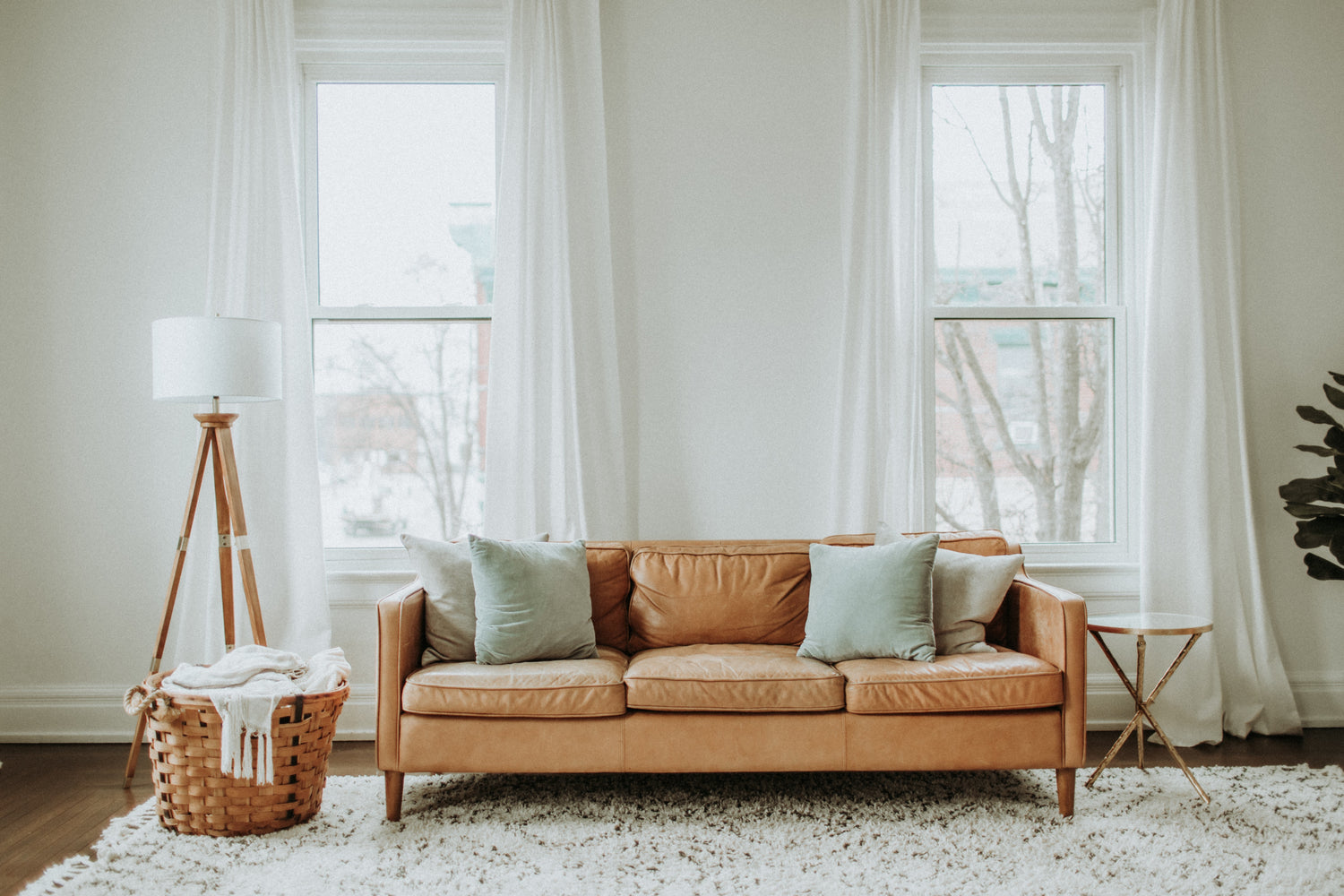
A rug not only transforms your space by adding a touch of elegance and style, but it also provides a feeling of warmth and comfort with every step.

Une assise bouclette possède déjà un relief fort. Choisissez un tapis qui équilibre sa texture, son volume et sa couleur avec des exemples précis du minimalisme aux motifs vintage.

Superposer un tapis et une moquette est possible dans certains cas. Découvrez comment examiner le support, limiter la surépaisseur et conserver un ensemble stable et facile à entretenir.

Le canapé blanc laisse une grande liberté au tapis. Voici comment choisir entre continuité claire, contraste brun, terracotta, olive et motifs sans rendre le salon froid.

Poils, épaisseur, franges, bords et serpillières : les critères à vérifier pour choisir un tapis adapté à votre robot aspirateur et tester son passage.