

Short velvet
It provides a soft surface and keeps patterns relatively legible. A good compromise for living rooms and bedrooms.


A pink rug can be very discreet or become the most expressive element of the room. Powder pink, blush, dusty rose, rosewood, pinkish terracotta or fuchsia: every shade has a different level of saturation and pairs well with very varied palettes. The right pink rug is chosen first according to size and usage, then according to the shade and texture that match your interior.
Powder pink is light and has low saturation. It may contain a hint of beige or grey, making it easy to incorporate. Dusty rose is generally more muted and deeper. Rosewood sometimes leans towards brown or mauve. A pinkish terracotta veers towards burnt earth. Fuchsia and magenta are much more saturated and immediately become major accents.
Names vary by manufacturer. So, look at the actual color of the pink rug in several photos. A "nude pink" can be almost beige on one model and much pinker on another. Texture also changes perception: a velvet pink rug creates lighter and darker areas depending on the direction of the pile.
| Pink rug shade | Look | Easy pairings | Things to watch for |
|---|---|---|---|
| Powder / blush | Light and discreet. | Ecru, grey, light wood, sage green. | Can lean towards beige depending on the light. |
| Dusty rose | More muted and deep. | Walnut, beige, midnight blue, cream. | Check for mauve or brown undertones. |
| Rosewood / pinkish terracotta | Earthy and warm. | Sand, olive, black, wood. | Can dominate if several surfaces are already warm. |
| Fuchsia / magenta | Very saturated and graphic. | White, black, grey, touches of green. | Best to limit other large patterns. |
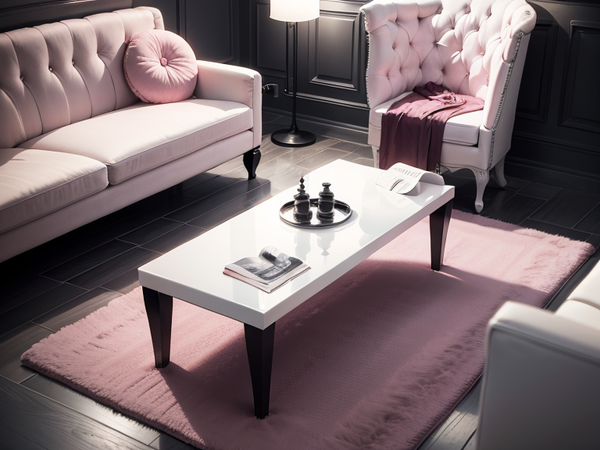
Pink and beige create a soft transition. A dusty rose rug under an ecru or beige sofa brings in color without creating a harsh contrast. If you prefer your floor to remain neutral, reverse the logic with a beige rug and introduce pink through textiles.
Pink and grey work particularly well when the grey is relatively solid. Grey calms down a saturated pink rug, while pink visually warms up a very mineral palette. For a more graphic version, add small touches of black or choose a pink rug that features a dark pattern directly.
Pink and green create an interesting colorful contrast. A powder pink rug with sage green remains soft; dusty rose with forest green becomes denser. The green rug collection lets you compare the reverse of this palette.
Pink and blue can range from very soft to highly contrasted. Grey-blue easily pairs with powder pink; navy gives much more depth to a dusty rose. With wood, earthy and muted pink rugs work particularly well.
A pink rug can become a major color in the living room without the room looking childish. It all depends on the shade, pattern, and furniture. A dusty rose or rosewood rug under a beige or grey sofa creates a sophisticated base. A pale pink works in a very light palette. A fuchsia or magenta pink rug can become a graphic piece in a black, white, or wood decor.
The size of the pink rug should be chosen before the color. A small, highly saturated pink rug in the middle of a large living room looks more like an accent than a base for the living room. If you wish to structure the sofa and armchairs, use the principles of living room rugs and large formats of large living room rugs.
If the sofa itself is pink, create a clear difference: beige-pink, grey, black and white rug, or a much deeper pink rug. The result is more readable than having two almost identical surfaces. For a contemporary style, modern rugs and designer rugs can provide more structured patterns.
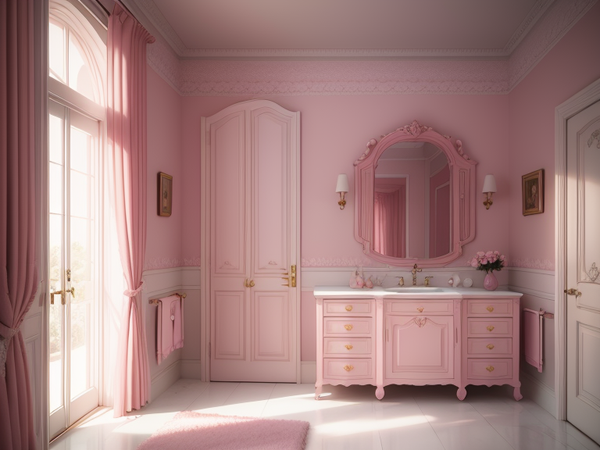
A pink rug fits very easily into an adult bedroom when paired with chosen materials and colors. Dusty rose with walnut, powder pink with linen and oak, or rosewood with midnight blue create very different atmospheres. It is not necessary to use pink elsewhere in large quantities.
For a very soft texture, a pink shaggy rug is suitable for areas where you walk barefoot. If you prefer faster cleaning, choose a shorter-pile pink rug. Placement under the bed, alongside it, or at the foot is detailed in bedroom rugs.
In a small bedroom, a round pink rug can create a zone in front of a vanity or near an armchair. The shape avoids adding an extra rectangle to a room already structured by the bed and closets.
The color does not dictate comfort or durability. A pink rug can be made from many fibers and constructions. The best option depends on the room and the level of maintenance you are willing to accept.
It provides a soft surface and keeps patterns relatively legible. A good compromise for living rooms and bedrooms.
Highly textured and plush. The direction of the pile creates variations in the pink and requires appropriate vacuuming.
Practical under a table, in an office, or in a space where furniture moves regularly.
Interesting in a children's room or family living room when the product spec actually allows machine washing.
Do not assume that polyester is automatically stain-resistant or that cotton is automatically machine-washable. Check each pink rug. If washing is the main criterion, consult machine-washable rugs.
A light or pastel tint does not excuse a bad format. In the living room, the pink rug should integrate into the sofa composition. In the bedroom, it should create a useful border around the bed or form a distinct area. Under a table, chairs should be able to slide out without constantly snagging the edge.
Highly saturated pink rugs have a lot of presence. In a large format, they become the dominant color of the lower part of the room. In a small format, they work more like an accent. Before purchasing, mark out the surface with masking tape and then imagine it fully colored: this helps determine if you want a solid, shaded, or patterned pink rug.
If you are hesitating between a rectangle and a circle, start with the furniture. The rectangle naturally follows a sofa or a bed; the circle is ideal for a reading nook or a small table.
A pink rug can perfectly be used in a family home. Practicality depends on the pile height, weave, and cleaning options. A medium or heathered shade can make certain marks less visible than a perfectly solid, very pale pink rug.
With pets, look at the color of their fur as much as the color of the rug. Light fur is barely visible on powder pink but stands out more on a dark dusty rose. Some loops also snag claws more easily. With children, the ability to wash or spot-clean the pink rug properly is more important than a general promise of a "durable fiber."
For bedrooms and play areas, also explore children's rugs and play rugs when usage takes priority over color.
Pink rugs containing beige or grey can look very different depending on the light. Powder pink may seem almost cream in warm light; dusty rose may reveal more mauve under colder light. Studio photos therefore do not exactly reproduce every interior.
If the room receives a lot of sun, observe the general saturation of the decor: a very vibrant pink rug becomes very prominent. In a darker room, dusty rose may seem much denser. These are effects of perception and contrast, not rules of wellness or psychology.
Pile rugs also change visually when the fibers are oriented differently. This variation in light is normal and can give more depth to the color.
A powder pink rug and light wood furniture create a soft, contemporary composition. Dusty rose with walnut, black, or metal can become much more sophisticated. A pinkish terracotta works with beige, olive, brown leather, and natural fibers. A fuchsia pink rug finds its place in a very graphic decor where the rest is intentionally more neutral.
Pattern also changes the register. A textured solid pink rug highlights the material. A pink and black geometric pattern leans towards designer territory. A pink and cream pattern can be easier to integrate than a highly saturated solid color.
If your room already has a colored sofa and printed curtains, avoid trying to make the pink rug a third focal point. Choose a shade present in your existing items or a very greyish pink that plays more of a transition role.
Powder, nude, or dusty rose are not standardized references.
A difference in shade, texture, or pattern generally provides more depth.
It may look like an isolated spot of color in a large living room.
If the rug is already the focal point, keep a clear hierarchy around it.
A beautiful shade does not compensate for poor proportions.
A powder or dusty rose rug can change perception significantly between day and night.
Choose the method based on the fiber and backing of the pink rug. Avoid whitening stain removers or randomly applied acidic homemade remedies: a pink color can be sensitive to certain products.
Dusty rose, rosewood, powder pink, or pinkish terracotta are easy to pair. A brighter pink rug also works in a sober decor.
Powder pink creates a soft contrast, dusty rose more depth, and fuchsia a very graphic contrast.
Yes. Sage and powder pink form a soft palette; forest green and dusty rose create a deeper combination.
Yes, provided you choose a construction adapted to chairs and meals. A flatter weave is generally more practical than a long-pile one.
No. Living rooms, offices, entryways, and dining rooms can accommodate a pink rug depending on the shade, format, and furniture.
Also explore beige rugs, grey rugs, green rugs, living room rugs and bedroom rugs.
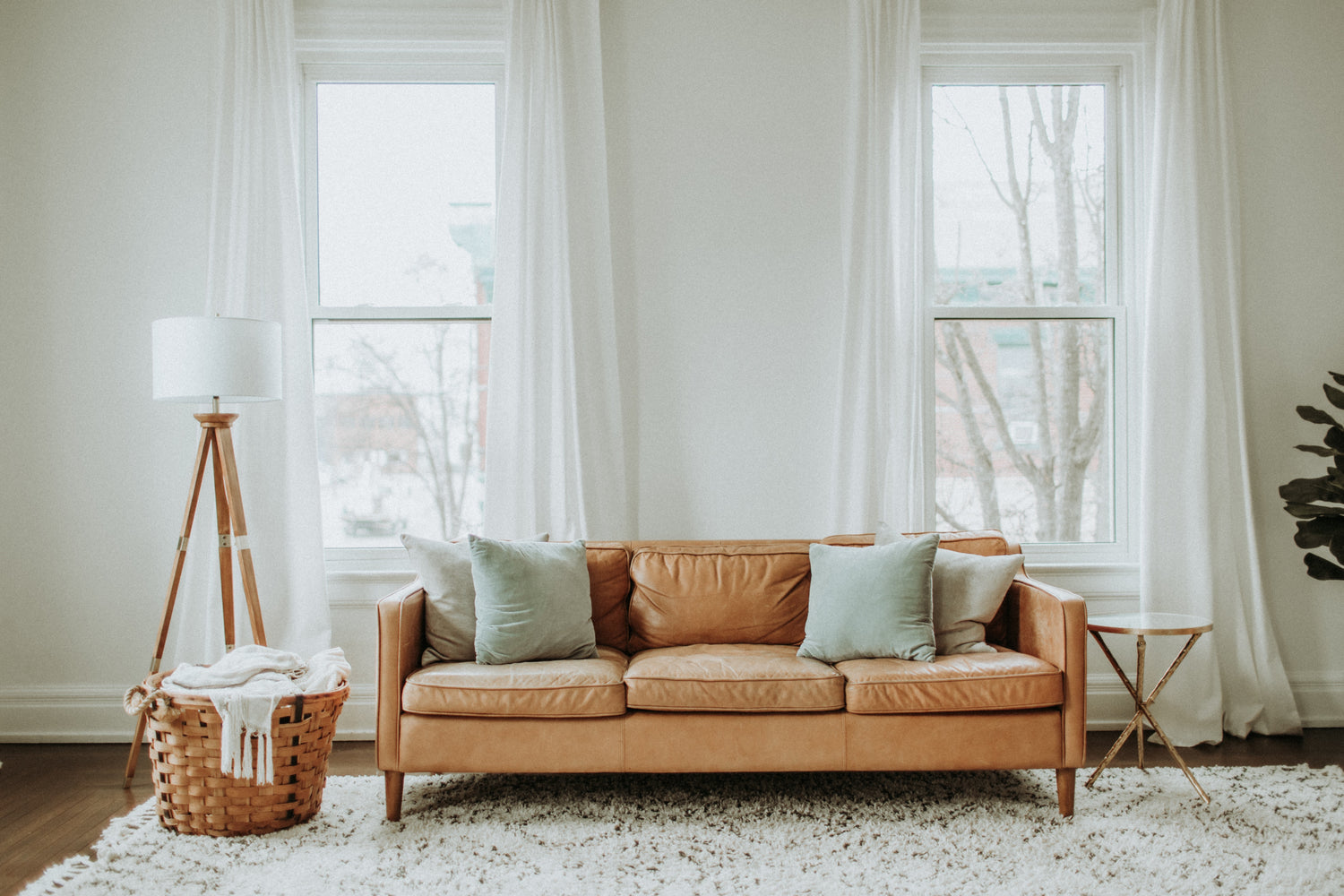
A rug not only transforms your space by adding a touch of elegance and style, but it also provides a feeling of warmth and comfort with every step.

Une assise bouclette possède déjà un relief fort. Choisissez un tapis qui équilibre sa texture, son volume et sa couleur avec des exemples précis du minimalisme aux motifs vintage.

Superposer un tapis et une moquette est possible dans certains cas. Découvrez comment examiner le support, limiter la surépaisseur et conserver un ensemble stable et facile à entretenir.

Le canapé blanc laisse une grande liberté au tapis. Voici comment choisir entre continuité claire, contraste brun, terracotta, olive et motifs sans rendre le salon froid.

Poils, épaisseur, franges, bords et serpillières : les critères à vérifier pour choisir un tapis adapté à votre robot aspirateur et tester son passage.