

Short velvet
Shows off deep reds well and offers a clean look in the living room or bedroom.


A red rug naturally draws the eye, but the red family goes far beyond bright red. Burgundy, garnet, carmine, brick, terracotta, or poppy red can create very different atmospheres. The right red rug is chosen first by proportions and usage, then by a shade that interacts with the sofa, the floor, and the light.
Burgundy generally contains more blue or brown and appears darker than a classic red. Garnet is also deep and can lean towards purple. Carmine is more frank, while terracotta and brick red contain more orange or brown. Commercial names vary: always observe the red rug itself.
| Red rug shade | Look | Easy pairings | What to watch for |
|---|---|---|---|
| Burgundy | Deep and relatively muted. | Cream, beige, wood, blue-grey. | Can become very dark in large sizes. |
| Garnet | Dense, sometimes purplish. | Walnut, grey, ecru, black. | Compare undertones in real light. |
| Terracotta / brick | Earthy and visually warm. | Sand, olive, light wood, cream. | Avoid an accumulation of orange tones if not intentional. |
| Carmine / bright red | Very readable and saturated. | Off-white, black, grey, wood. | Limit other large, highly colored elements. |
Red and beige offer a simple balance. Beige gives visual space to the red rug, especially with burgundy or bright red. If you want the floor to remain more neutral, use a beige rug and reserve red for accessories or the sofa.
Red and grey work with many shades. A light grey sofa allows a carmine red rug to stand out strongly. An anthracite sofa with a burgundy red rug creates a darker palette that generally requires off-white, light wood, or a good amount of light to remain readable.
Red and wood can be very visually warm. Earthy red rugs easily accompany oak or walnut. Red and black produce a more graphic result; use white, beige, or wood to prevent all large surfaces from being very dark.
Green is a more contrasting combination. Olive with terracotta is quite soft, while forest green with a frank red rug becomes much more expressive. Blue can also work, especially in grey or navy tones.
In a neutral living room, a red rug can become the focal point. With a beige or ecru sofa, a burgundy or terracotta rug creates a large colored base that is relatively easy to pair. With a grey sofa, a more frank red becomes very graphic. With a brown or cognac sofa, choose a shade distinct enough so that the red rug doesn't blend into the furniture.
The size of the red rug is essential because the color draws the eye. A small red rectangle placed only under the coffee table quickly highlights its lack of proportion. To structure a conversation area, choose a size consistent with the seating. The rules are detailed in living room rugs and large living room rugs.
A solid red rug is already very present. If you add a pattern, observe its scale. A Persian, abstract, or geometric design can distribute red with other colors and make it easier to connect to the rest of the room. For graphic styles, explore designer rugs.
Muted red rugs like burgundy, brick, or garnet are generally easier to use over a large area than very bright reds. They can be paired with ecru, beige, grey, midnight blue, or olive green bedding. A frank red rug is still possible if the rest of the bedroom is very sober.
Texture adds a second level of interpretation. A burgundy shaggy rug creates significant depth; short velvet is cleaner; flat-woven is suitable for a very graphic bedroom. For placement around the bed, check bedroom rugs.
A red rug can also be used in a smaller format as an accent at the foot of the bed or in a reading corner. In this case, its saturation can be stronger because the surface is limited.
Color does not allow one to deduce durability or stain resistance. A red rug can be made of wool, polyester, polypropylene, cotton, viscose, or a blend. The construction of the pile, density, and backing determine a large part of how it behaves.
Shows off deep reds well and offers a clean look in the living room or bedroom.
The pile creates variations of red depending on the direction of the fibers. Plusher, but more demanding to vacuum.
Practical under a table, in a hallway or office, and suitable for geometric patterns.
Interesting in a family home if the model is explicitly designed for machine washing and its format fits the drum.
The name of the fiber is not enough to conclude that a red rug is stain-resistant, highly durable, or washable. The properties must be verified on the model's product sheet.
A deep red rug in a large format becomes almost an architectural color of the floor. Before purchasing, visualize the surface with masking tape. Then imagine this entire area in red rather than relying on a small product thumbnail.
In a living room, the size of the red rug should follow the seating area. In the dining room, allow for the chairs to be pulled out. In the bedroom, the rug can be partially under the bed or used as a runner. In a hallway, a long shape strongly emphasizes the axis: verify that this corresponds to the desired effect.
A round red rug can be interesting if the room has many straight lines. The circle softens the visual pattern while the color retains a strong presence.
The practicality of a red rug depends on the weave and pile height. A medium or patterned red can make some small stains less immediately visible than a very light or very dark solid red, but that does not mean the rug gets less dirty.
With pets, light hair can show up on a burgundy or garnet red rug. A pattern mixing several tones can be more visually forgiving. Also, check the loops if your pet claws textiles. With children, a construction that is easy to vacuum and potentially washable may be more realistic than a delicate material.
If full washing is a priority, consult machine-washable rugs and read the exact instructions for the model.
A burgundy red rug can appear brown, purple, or red depending on the lighting. A terracotta can seem more orange under certain warm lights. A bright red rug can become more saturated in a very bright room. Screen differences also accentuate these variations.
Velvet changes in value depending on the direction of the pile. When you run your hand or the vacuum in a different direction, certain areas of the red rug may appear lighter. This is a light reflection effect, not necessarily discoloration.
If the room is already dark, a very large burgundy red rug will reinforce the visual density. This may be desired. If you prefer to maintain more contrast, add ecru surfaces, light wood, or choose a pattern integrating a significant share of beige.
A burgundy red rug with walnut and cream provides a classic or contemporary read depending on the shape of the furniture. A terracotta rug with beige, oak, and olive green easily fits into natural decor. A carmine red rug with black, white, and chrome becomes much more graphic.
For a modern atmosphere, let the red rug carry the color and keep large furniture relatively simple. If you use a patterned red rug, repeat one or two of its secondary colors in the room rather than the red itself everywhere.
Rugs inspired by Persian styles often contain deep reds associated with several other colors. If you are looking for this aesthetic, check out Persian rugs, always verifying the actual construction of each product.
On a light hardwood floor, burgundy, terracotta, and bright red are very readable. The wood brings a different warmth that generally avoids too harsh a contrast. On dark wood, a very deep burgundy may blend in more; a light border or beige pattern helps distinguish the rug.
With a grey or concrete floor, red creates a clean color break. Carmine appears more graphic; terracotta brings more warmth. On a beige floor, an earthy red can create a very coherent set, while a bright red produces a more marked contrast.
If the floor is already heavily veined or decorated, favor a red rug with a simpler design. The goal is to build a visual hierarchy rather than layering two competing surfaces.
Burgundy, garnet, or terracotta can vary greatly depending on the manufacturer and the light.
A saturated red rug that is too small can become an isolated little mass of color.
If the rug is the focal point, keep a clear hierarchy with the sofa, curtains, and walls.
Burgundy can appear much browner or purple in the evening.
Size, material, and maintenance remain the priorities.
A very dark red can lose contrast on a dark hardwood floor.
To choose a red rug with peace of mind, first validate the room, dimensions, material, and maintenance. Then choose the shade and saturation level. The red rug should reinforce the room's composition, not compensate for poor proportion.
Follow the material and label of the red rug. Avoid bleaching products, untested homemade mixtures, and very hot water without indication. Saturated colors make local discoloration caused by poor stain removal particularly visible.
Burgundy, terracotta, brick, and carmine can all work. Earthy tones are softer; carmine creates more contrast.
A burgundy red rug gives a deeper palette; a frank red or terracotta creates more difference with the grey.
Yes. The saturation and size simply must be chosen intentionally. A deep red rug can structure a small living room if the rest remains readable.
Terracotta combines easily with beige, wood, and olive. Burgundy creates a deeper and more sophisticated contrast.
Yes. Muted and deep reds are particularly easy to pair with light linens, but a bright red rug also works as an accent.
Compare beige rugs, pink rugs, black rugs, living room rugs, and designer rugs.
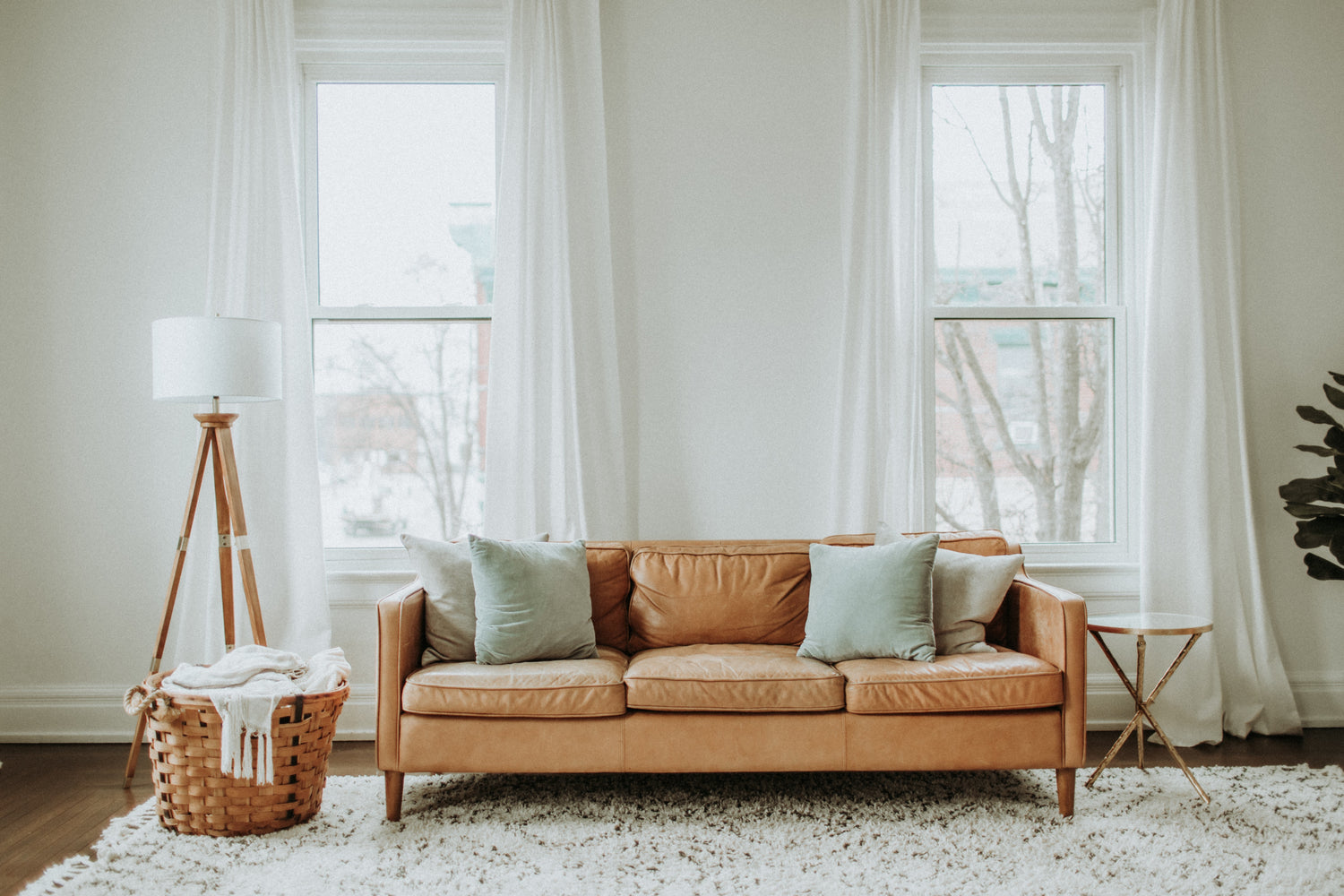
A rug not only transforms your space by adding a touch of elegance and style, but it also provides a feeling of warmth and comfort with every step.

Une assise bouclette possède déjà un relief fort. Choisissez un tapis qui équilibre sa texture, son volume et sa couleur avec des exemples précis du minimalisme aux motifs vintage.

Superposer un tapis et une moquette est possible dans certains cas. Découvrez comment examiner le support, limiter la surépaisseur et conserver un ensemble stable et facile à entretenir.

Le canapé blanc laisse une grande liberté au tapis. Voici comment choisir entre continuité claire, contraste brun, terracotta, olive et motifs sans rendre le salon froid.

Poils, épaisseur, franges, bords et serpillières : les critères à vérifier pour choisir un tapis adapté à votre robot aspirateur et tester son passage.