


How to incorporate Mediterranean style into your home?
To create a convincing Mediterranean decor, start with a clear and warm base, add wood, stone, terracotta, linen or cotton, then introduce some deep blue, olive green, terracotta or ochre accents. The rug should primarily provide texture and tie the furniture together. There's no need to multiply arches, mosaics, lanterns, and patterns: two or three well-chosen elements are enough.
1. What colors for a Mediterranean decor?
The easiest base relies on tones inspired by materials and landscapes rather than a "postcard" palette. Use off-white, cream, sand, warm beige, or stone on large surfaces, then choose one or two more assertive colors.
Avoid putting blue everywhere under the pretext of creating a Mediterranean ambiance. A single large accent—rug, armchair, credenza, or curtains—may be enough. Softer colors on walls and textiles allow materials to breathe better.
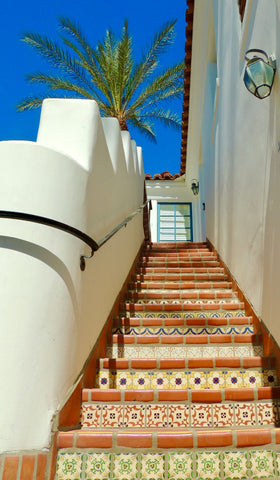
2. Materials give more character than accessories
Mediterranean style works primarily through surfaces that appear alive: wood, stone, terracotta, ceramic, natural fibers, and soft textiles. You don't need old walls or a Southern house; introducing these materials in small touches is enough.
A wooden piece of furniture with visible grain, a matte ceramic lamp, a stone top, or a simple coffee table will often have more impact than an accumulation of thematic objects.
For textiles, linen, cotton, wool, and natural weaves give a less smooth and warmer feel. Synthetic materials can, of course, be used if their appearance and maintenance better suit your daily life.
3. Which furniture to choose?
Favor simple lines and visible materials. A large off-white or beige sofa, a wooden coffee table, a rattan or bentwood armchair, and a few more artisanal elements are enough to build the decor.
The furniture doesn't all need to be in the same style. A contemporary Mediterranean interior works well with a mix of modern pieces and more weathered furniture. The important thing is to maintain a coherent palette and avoid a succession of very decorative pieces.
Rounded shapes—round table, organic mirror, enveloping armchair—can soften a very rectilinear room. Use them as a contrast, not as an obligatory rule.
4. Which rug for a Mediterranean style?
The rug can play three roles: warming a mineral floor, introducing a natural texture, or providing the main pattern. Therefore, choose its level of presence according to the rest of the room.
| Ambiance | Recommended rug | Effect |
|---|---|---|
| Natural | Jute, sisal, or woven beige | Raw texture and earthy palette |
| Soft | Off-white, beige, or cream wool | Comfort and relief without strong patterns |
| Colorful | Terracotta, blue, or green pattern | Focal point in a neutral room |
| Contemporary | Simple geometric pattern | Reference to Mediterranean design without a thematic decor effect |
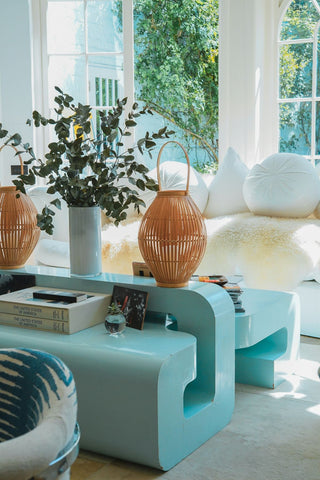
Also, consider the size: in a living room, a rug large enough to connect the sofa and armchairs will seem more coherent than a small, isolated model under the coffee table. To choose the material, use our guide what material for a living room rug.
5. How to use patterns, tiles, and mosaics without falling into cliché?
Geometric patterns, decorative tiles, and designs inspired by regional traditions can add a lot of character. The simplest approach is to choose a single main support: floor, backsplash, rug, cushions, or curtains.
If the backsplash already has a strong pattern, keep the rug calmer. If the rug is very graphic, use more understated dinnerware or cushions. This hierarchy avoids the impression of a themed room.
You can also work solely with color: a terracotta pottery, a few deep blue ceramics, and an off-white rug are enough to evoke the ambiance without any complex patterns.
6. Curtains, cushions, and household linen: seek lightness
Linen, linen-effect, or cotton curtains provide a supple texture and let light play in the room. Choose their opacity according to use: a sheer curtain doesn't replace a blackout one when privacy or darkness are priorities.
On the sofa, combine two or three cushions in earthy, blue, or green tones with a simple throw. Avoid exactly copying the rug's pattern: reusing a secondary color is enough to create coherence.
In the bedroom, off-white, sand, or ivory linen paired with wood and a textured rug maintains the same decorative language without overcrowding.
7. Light and plants: create a feeling of an open interior
Natural light plays an important role in this style. Clear windows where possible, choose curtains that can open wide, and avoid placing large furniture in front of light sources.
In the evening, combine soft general lighting with lower points: floor lamp, ceramic lamp, wall sconce, or pendant light. A warm light temperature better supports earth tones and wood than very cold lighting.
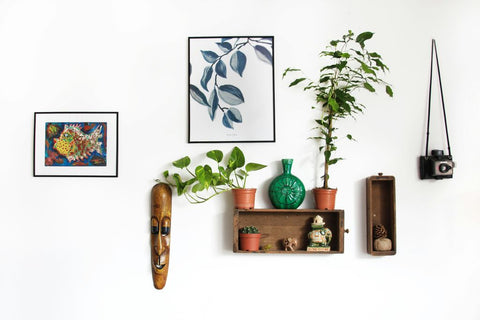
Plants can complete the ensemble, but choose them according to the room's actual light. A potted olive tree or citrus plant is only interesting if the conditions suit it; a misplaced plant does not create a better decor.
8. How to adapt Mediterranean style according to the room?
Living room: light base, large textured rug, warm wood, ceramics, and an accent color.
Dining room: wood or stone table, simple pendant light, chairs with natural materials, and a short-pile rug if you use one.
Bedroom: softer palette, textured linen, wood or fabric headboard, and few objects.
Kitchen: terracotta, decorative tiles, or a colored backsplash can carry the style; no need to add many thematic accessories.
Entryway: mirror, small wooden bench, ceramic, and a traffic-appropriate rug are enough to set the mood upon arrival.
9. How to create this ambiance without redoing the whole house?
- Start with the palette: change cushions, throws, or curtains before furniture.
- Add a strong material: wood, ceramic, terracotta, or woven fiber.
- Replace a single central element: rug, coffee table, or light fixture.
- Remove objects that clutter the style before buying more.
- Work with light using better-placed lamps rather than decorative accumulation.
A well-sized rug can be particularly effective because it immediately changes the color and texture of a large surface without major work.
10. Mistakes to avoid
- Painting everything blue and white: the Mediterranean is not limited to this palette.
- Accumulating lanterns, mosaics, arches, and patterns: choose only a few strong elements.
- Mixing too many saturated colors: keep a neutral base to let accents breathe.
- Forcing impractical natural materials: adapt them to humidity and traffic.
- Choosing a rug that is too small: proportion matters as much as style.
- Copying a regional decor without understanding the pieces: prioritize materials, colors, and functions rather than a themed decor.
FAQ: Mediterranean style
What are the easiest Mediterranean colors to use?
Off-white, sand, terracotta, deep blue, and olive green form a simple base. Use two or three of these families rather than all at once.
Which rug to choose for a Mediterranean living room?
A textured beige rug, made of jute, off-white wool, or with a geometric terracotta/blue pattern works well. Above all, choose the material according to the use of the living room.
Can Mediterranean style be created in a modern apartment?
Yes. Work with colors, wood, textiles, and ceramics without altering the architecture. The style can remain very contemporary.
Are patterned tiles necessary?
No. They are an option, not an obligation. A warm palette and textured materials are already enough to create the ambiance.
How to avoid an overly cluttered result?
Choose one strong element per area: rug, backsplash, furniture, or lighting. Other surfaces can remain simpler.
A rug is one of the simplest ways to introduce texture and warmth without major work.
Discover living room rugsTo adopt the Mediterranean style, remember above all a clear and warm palette, tactile materials, a few earth or sea accents, and a decor less cluttered than one might imagine. A convincing Mediterranean interior doesn't copy a vacation decor: it creates a bright, comfortable, and coherent home.